
Hollywood loves Asian cities, but only as cliché-ridden fantasies. We deserve better.
Meet the real Singapore. It’s not the one you see in Crazy Rich Asians.
When Crazy Rich Asians hit multiplexes last summer, something curious happened. While the reaction to the romantic comedy flick among Asian American community was almost universally positive, moviegoers in Singapore (and some in Southeast Asia) took a more reserved view. Sure, the movie deserves our thumbs-up for depicting Asians as powerful leading characters, but it falls short of portraying one of Asia’s most dynamic cities with the nuance and complexity it deserves.
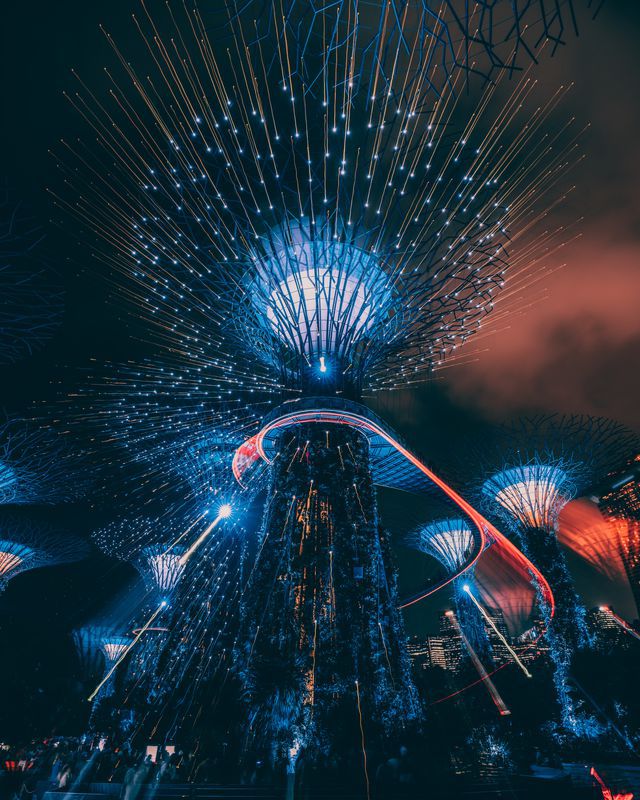
If you haven’t seen it, here’s the plot in a bottle: Rachel, an Asian-American university professor, travels to Singapore with her boyfriend to attend a wedding and meet his family for the first time. Comedy hijinks ensue as she is thrown into a bizarre world of obscene wealth and class consciousness. Still, the plot hardly registers against the parade of elegant hotels, family estates, shopping malls and designer clothes that run through the entire movie. Aside from a brief interlude at Newton Food Centre, the movie would have you convinced that Singapore is, as some online reviewers put it, “The Asian Wakanda”, in reference to the futuristic utopia introduced in the movie Black Panther.
Jeryl Tan/PIXERF
On the surface, Singapore is perfectly cast as the backdrop for this fairy tale. Yet this vision feels disappointingly shallow. Despite its reputation for soulless luxury, Singapore is much more than a glamorous playground for the uber-rich. In reality, much like other cities, this so-called “little red dot” is an amalgamation of quirks, charms and challenges, with plenty of surprises in store.
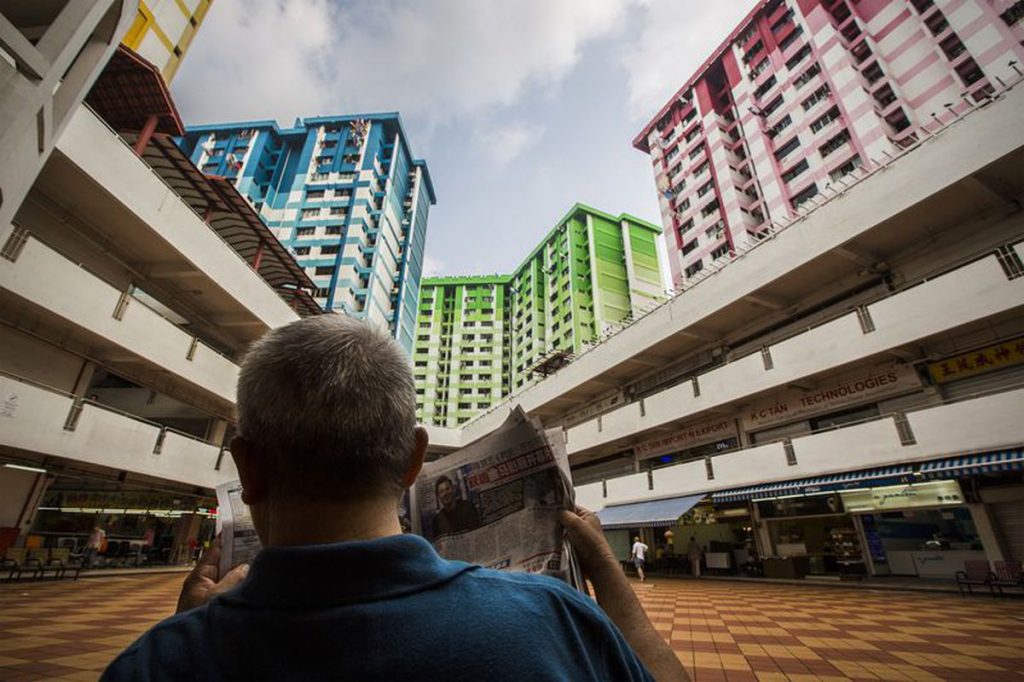
If you are looking for a slice of authentic life in this city-state, you won’t find it in the usual high-end tourist spots. As the locals would tell us, the real soul of Singapore can only be found in its unheralded corners: open-air hawker centres, kitschy neighbourhood cafes, Chinese restaurants with plastic chairs and laminated menus, prata houses that open till 3am, street-side shops in Little India, and Chinatown’s pre-war shophouses. Extreme wealth does exist here (not unlike in New York, or Beijing, or Seoul), but everyday life here does not involve name-dropping high-fashion brands into casual conversations or sashaying around palatial residences. In fact, the majority of Singapore residents live in public housing flats called HDB, a common aspirational goal among local couples here.
Athena Tan/PIXERF
There is something else you will notice when you’ve spent a couple of hours here: the population is multicultural and proudly so. Go anywhere from hawker centres to the central business district and you will hear it: a mix of languages (Chinese, Tagalog, Tamil, and Melayu, just to name a few), spoken loudly or softly by people from all walks of life and across different economic strata. And yes, not all of us are fair-skinned.
In Hollywood, Asian cities are often a bag of stereotypes.
If you are reading this and thinking “well…that makes you guys sound almost normal,” you’ve hit an important point. In Hollywood movies, Asian cities are often reduced to simple caricatures: a luxury-filled metropolis, poverty-stricken slums, or a lawless jungle. Likewise, the people who inhabit these cities are often depicted with the same cartoonish strokes: spoilt and clueless rich people, villains, or pitiable victims.
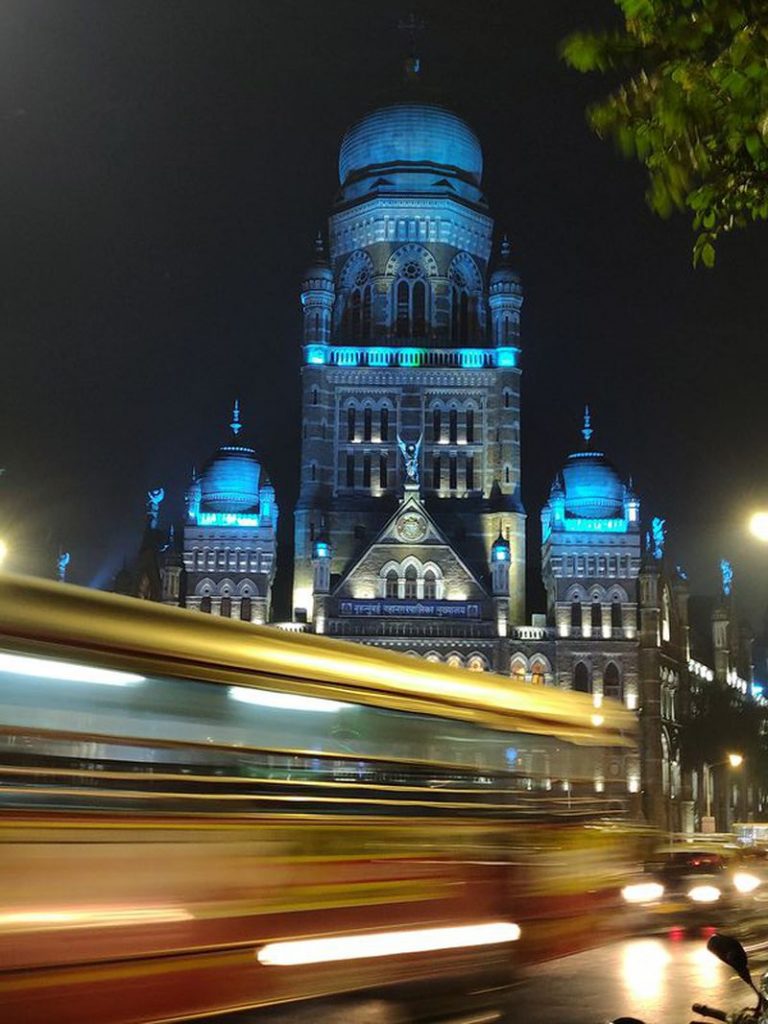
Some of these fantasies are less generous than others. In Slumdog Millionaire, Danny Boyle’s Oscar-winning film, a tale of star-crossed lovers plays out against a background of extreme squalor and cruelty. Mumbai was transformed into a dangerous, lawless land where the criminal and corrupt make the rules, with a great deal of scenes taking place in Dharavi, where the city’s poorest lives.
The economic struggle highlighted in the movie is painfully real (close to half the population live in settlements for the poor), yet Mumbai has a lot more to offer than the movie suggested. It was, and is, a city full of ambitious dreamers and the upwardly mobile, with a vibrant restaurant and nightlife scene, prestigious galleries and street art, a bustling financial district, and a prolific movie industry. And despite the lack of infrastructure and substandard living conditions, Dharavi is home to a community where children engage in cricket matches and an enterprising spirit thrives in the form of small-scale homegrown businesses.
Harshvardhan Thakkar/PIXERF
To depict Mumbai’s dark realities without showing these rays of optimism, creativity and resilience offers an incomplete picture. Imagine if all movies taking place in New York choose to focus on its routinely broken-down transit system, instead of its art enclaves and rich subcultures – we’d all be the poorer for it.
When Asian cities are not depicted as aspirational fantasies or objects of pity, the alternative is often worse. One apt example is Lucy, a Luc Besson-helmed sci-fi film starring Scarlett Johansson. In the movie, a young American expat studying in Taipei is kidnapped and forced to be a drug mule by a crime syndicate run by non-English speaking Asian henchmen that leans heavily into oriental stereotypes. There was no real logic to the story except that, as an old cinematic tradition happily tells us, Asian cities have a dark underbelly meant to entrap unsuspecting foreigners. (Spoiler alert: the realest threat to your health in Taipei is waking up with a bloated stomach from eating too much street food).
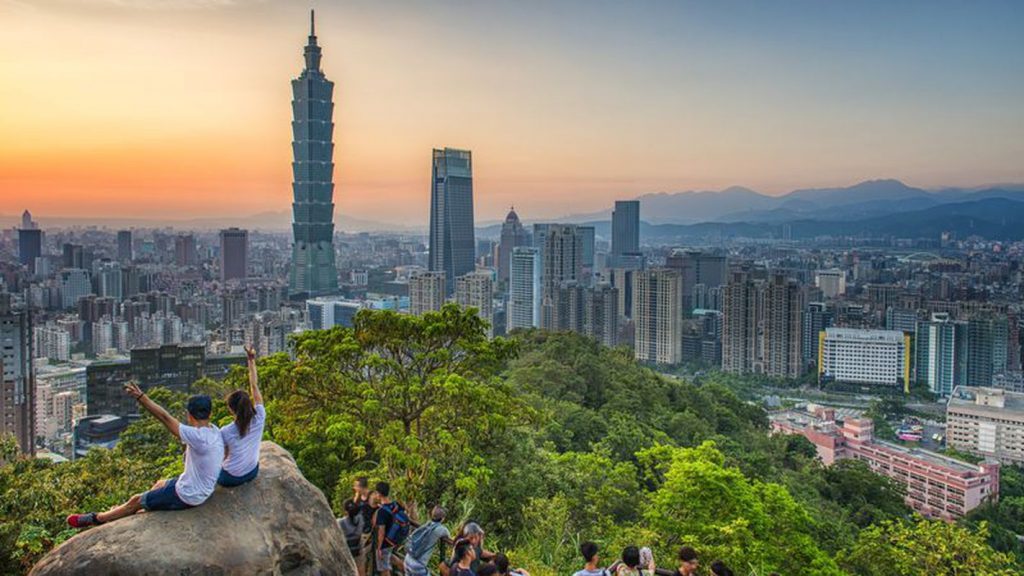
Wang Shih Wei/PIXERF
Of course, you can argue that directors and writers have a right to depict any location in a way that suits the story they are telling. But Singapore, Taipei or Mumbai are not exactly Hogwarts or Narnia. These are real places with real people and experiences, and they deserve to be seen in their bittersweet imperfection and humanity.
What’s next? These visual storytellers hold the key.
Fortunately, there is a growing number of filmmakers in Asia who have been paying witness to their home countries in nuanced ways. Japan’s Hirokazu Kore-eda, Thailand’s Apichatpong Weerasethakul, South Korea’s Lee Chang Dong and Singapore’s own Royston Tan, are just some names worth following.
Beyond the purview of cinema, creators of visual content hold the key to demystifying Asia in the age of Instagram and Pinterest. That’s why we are excited to witness the rise of photographers like Instagram phenom Lee Yik Keat, who brings a sensitive wanderer’s perspective to his Asia-centric street photography.
His approach is best summed up in his interview with Frank x OCBC:
“I love shooting in alleys with different shops and work spaces; there’s so much life in there and you can capture something interesting and different at every angle. I find Chinatown interesting because there are a lot of raw and genuine characters there, such as the stall owners who are very passionate about what they do.”
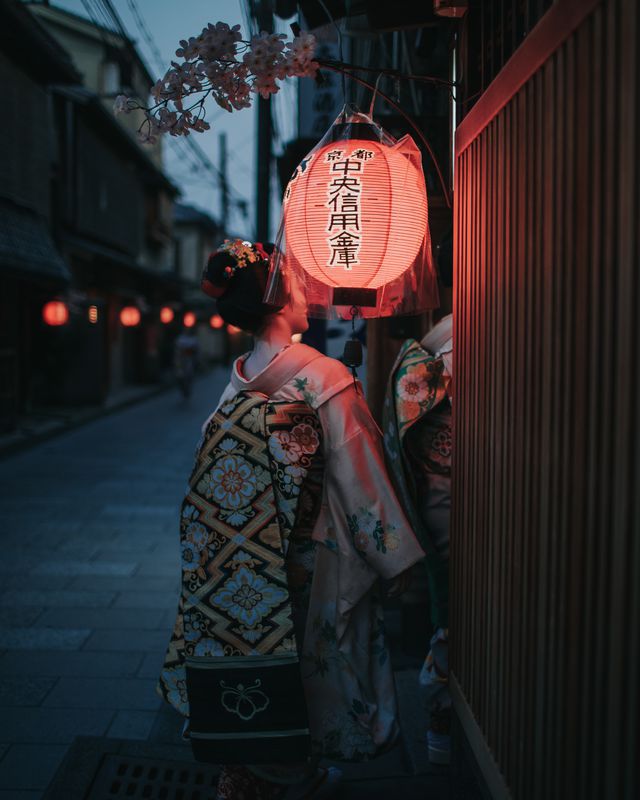
Yik Keat Lee/PIXERF
He is not the only one. Bangkok-based Tavepong Pratoomwong captures the vibrancy of his city through playfully serendipitous shots. Melbourne kid-turned-Hong Kong resident Christopher Lim discovers the best gems in overlooked places like the Chai Wan district, as well as “old apartment buildings, chaotic street stalls, the flea markets.” Filipina’s Xyza Cruz Bacani brings grit and realism into her street photography – each shot brimming with unspoken stories.
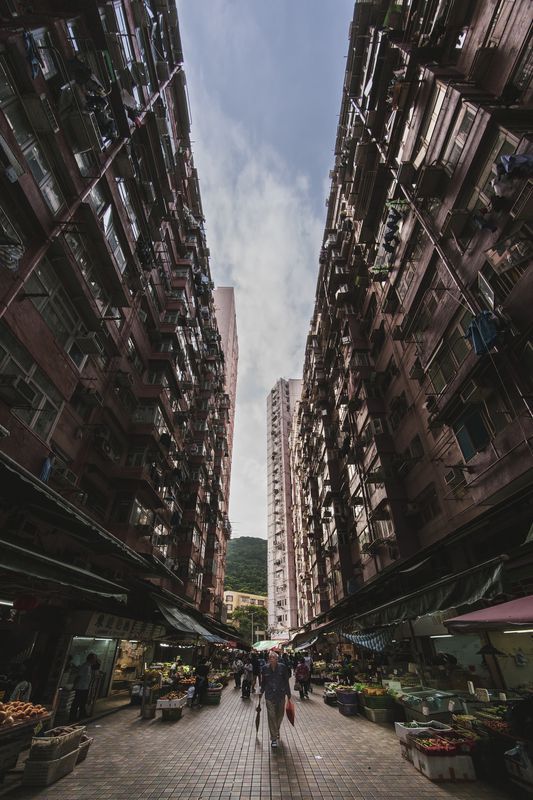
Mike Chan/PIXERF
To these visual storytellers, a city is so much more than a punchline or a myth. It is constantly changing, contradictory, and always challenging the viewer to look beyond the surface.
And that’s the Asia we all deserve to see.