
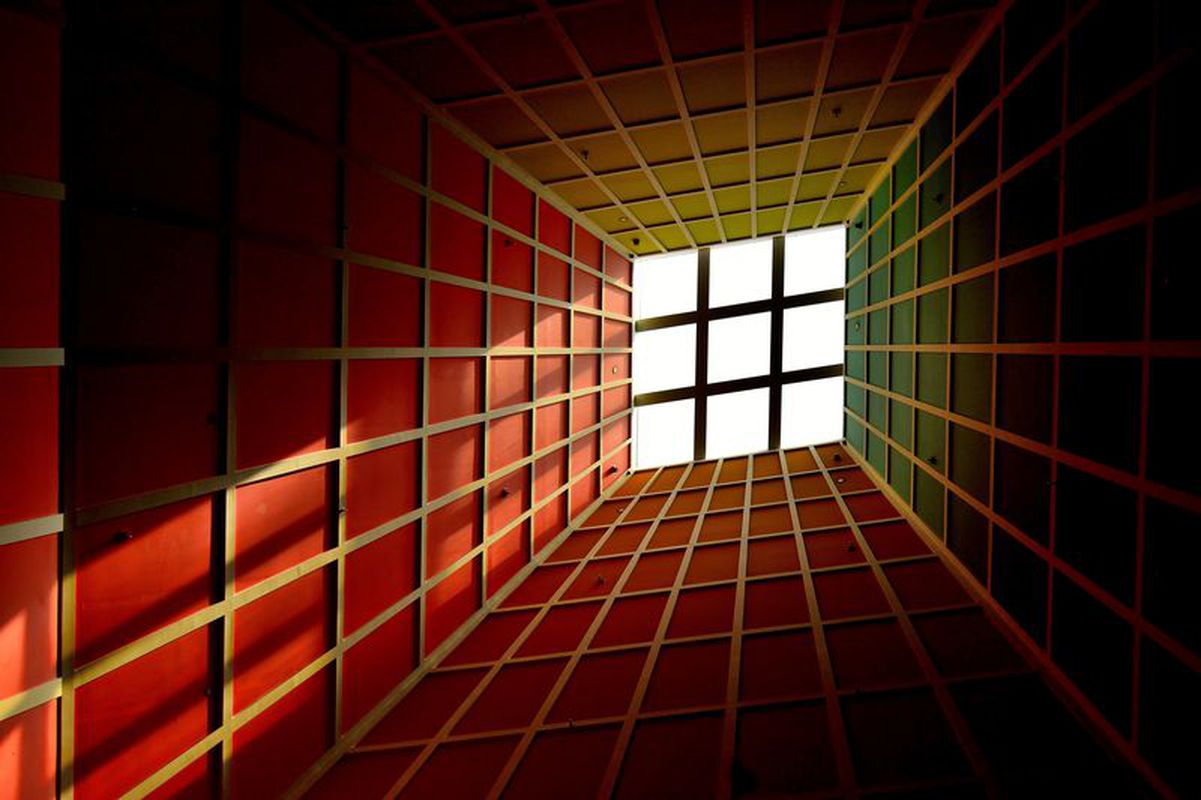
Understanding the psychology of shapes and lines can help you nail geometric framing: not just by depicting patterns, but by outlining certain parts of a picture to highlight a subject tastefully.
Adrian Yeo/PIXERF
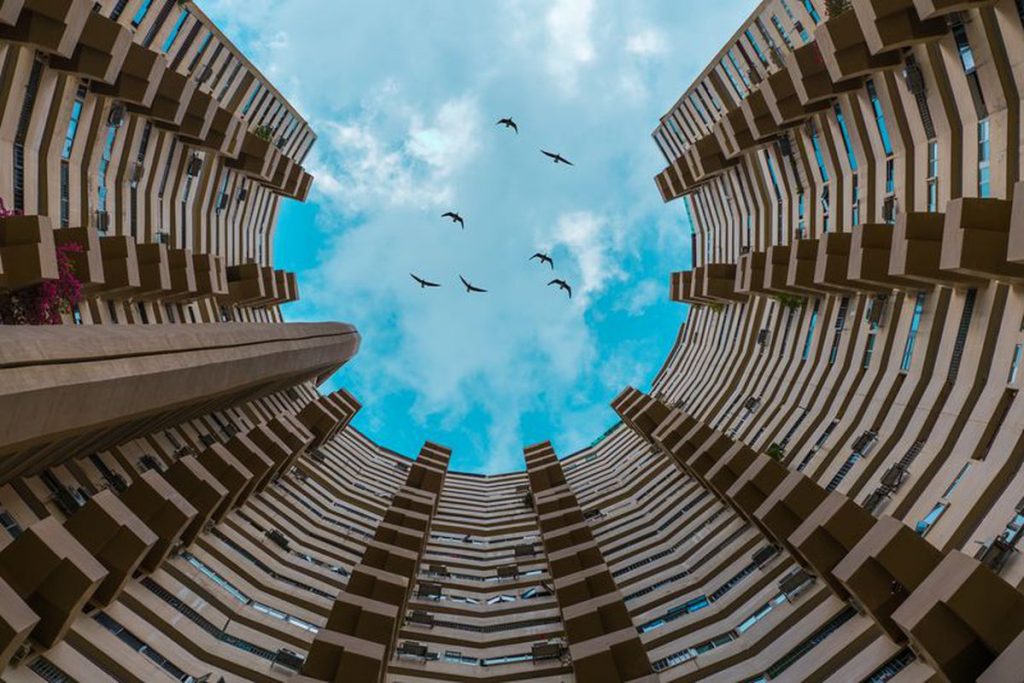
Geometric shapes are powerful tools, as they can evoke feelings and ideas about a subject. Circles and curves suggest positivity and friendliness, while the sharp edges of squares and triangles can communicate stability and balance. Even light and shadows can be effective in framing a subject’s persona.
Geometry in Photos
The illusion of movement
Audi Khalid/PIXERF
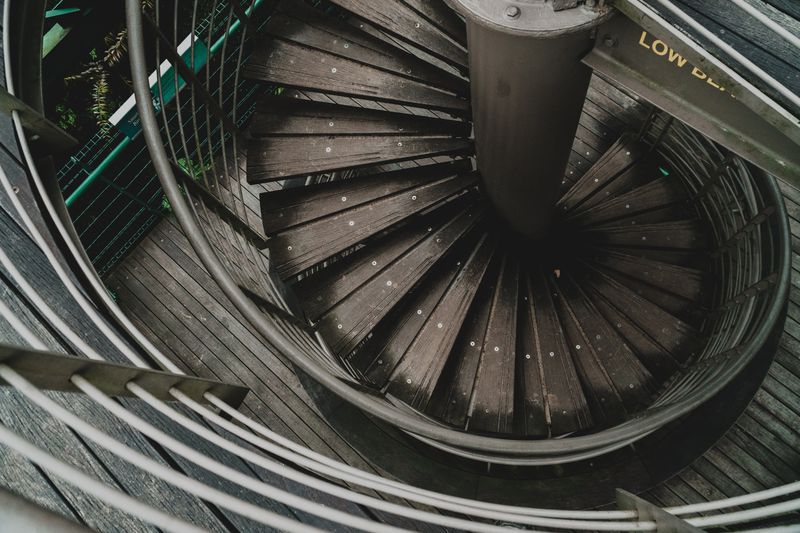
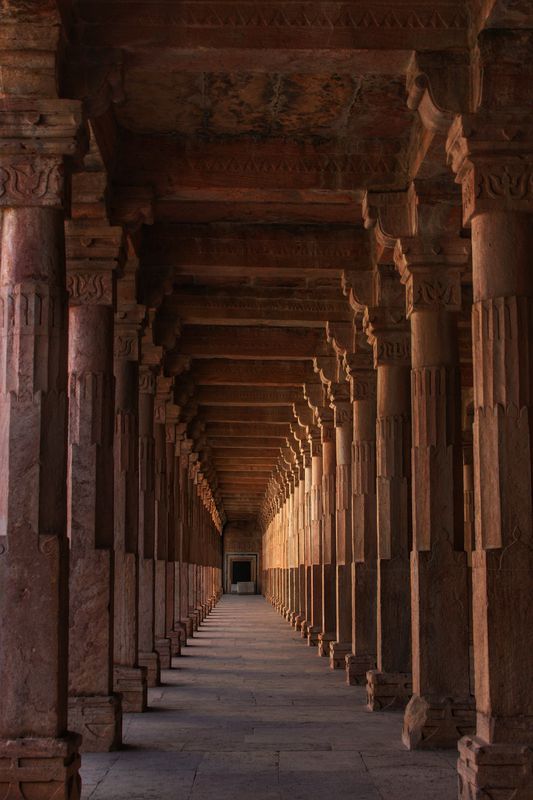
Interlocking geometric patterns create an illusion of movement within a frame. Take an aerial view of a winding staircase, for example. Notice how your mind traces the spiral path someone would take as they walk up or down the stairs. Another way geometry can mimic movement is when it forms directional depth, making it seem like the viewer is moving through the frame in a certain direction.
MAYURESH SAWANT/PIXERF
Shaping a frame

Athena Tan/PIXERF
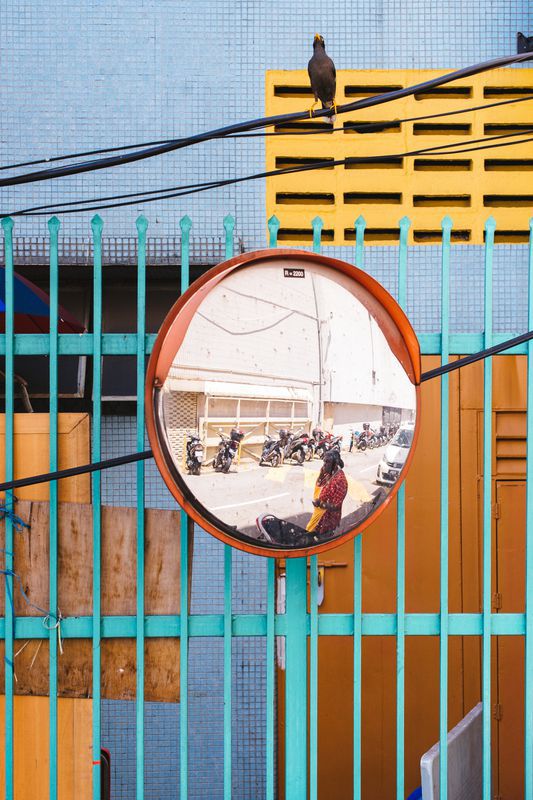
Creating a frame within a frame is one of the simplest ways to include geometry in your photo. It can highlight a subject while showing depth in a frame, but can also inspire curiosity or a sense of mystery if it looks like a portal into another world. (For your sake, we hope it isn’t actually a portal into another world.)
Fareez Siva/PIXERF
Skewed tessellation
Justin Lee/PIXERF
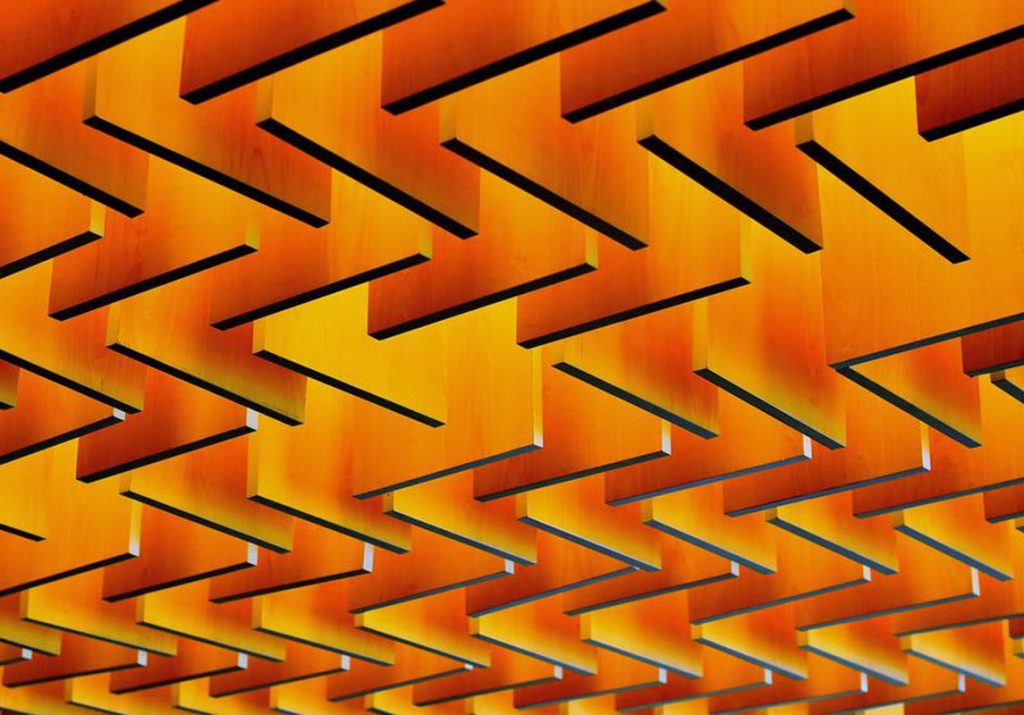
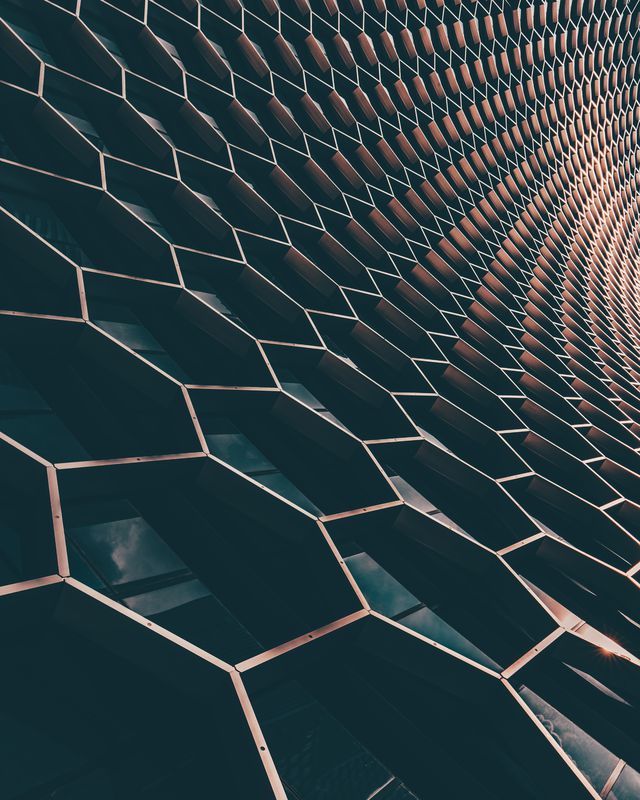
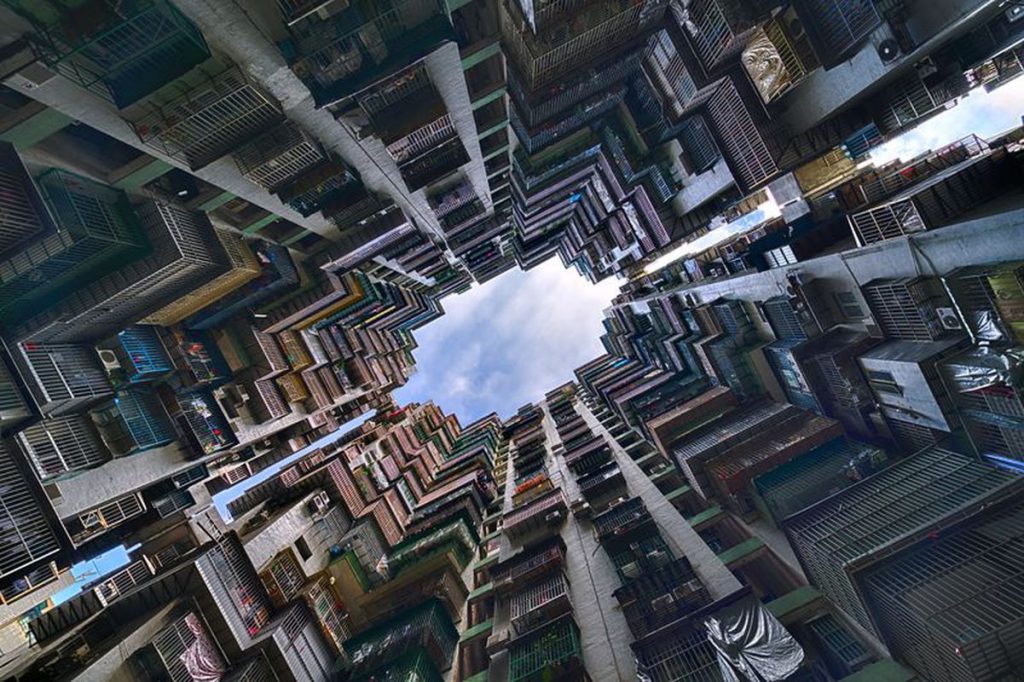
Perhaps the most common way to incorporate geometry in stock photography, tessellations create artwork in a frame. Monotonous tessellations make for a good background, and kicking it up a notch by skewing them in any direction creates an intriguing point of view.
Jeryl Tan/PIXERF
Aerial geometry
Carol Kheng/PIXERF
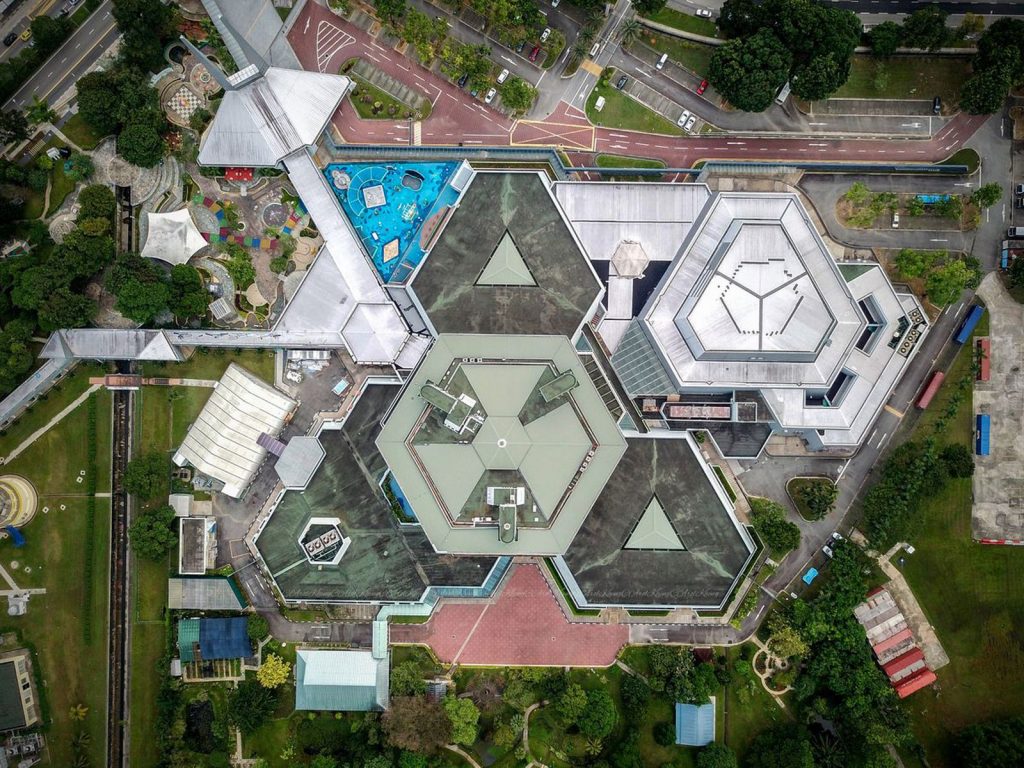
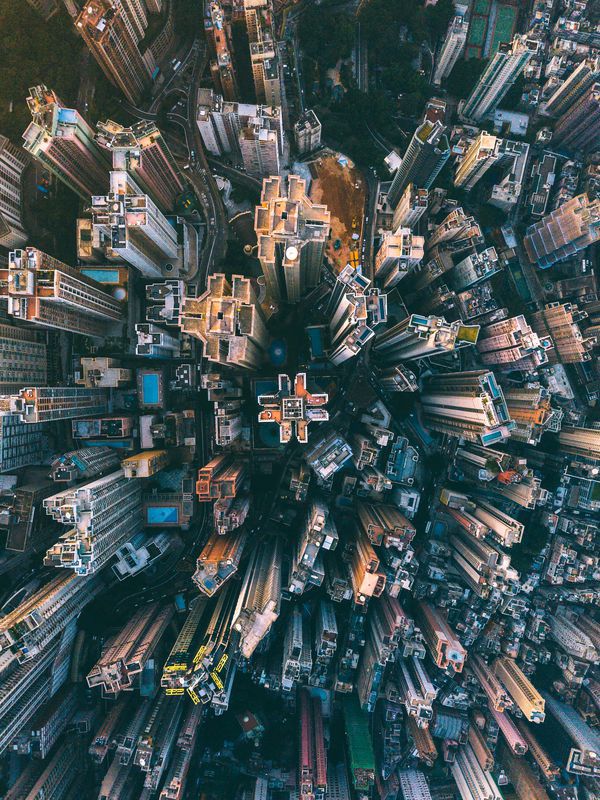
You’d be surprised by the amount of geometry you’ll find when capturing a bird’s-eye view of architecture. Some buildings create interesting shapes that are only visible from above. If you take a closer look, you might just find more shapes on their roofs — along with the odd pigeon or two.
Chiok Jun Jie/PIXERF
Geometric negative space
Audi Khalid/PIXERF
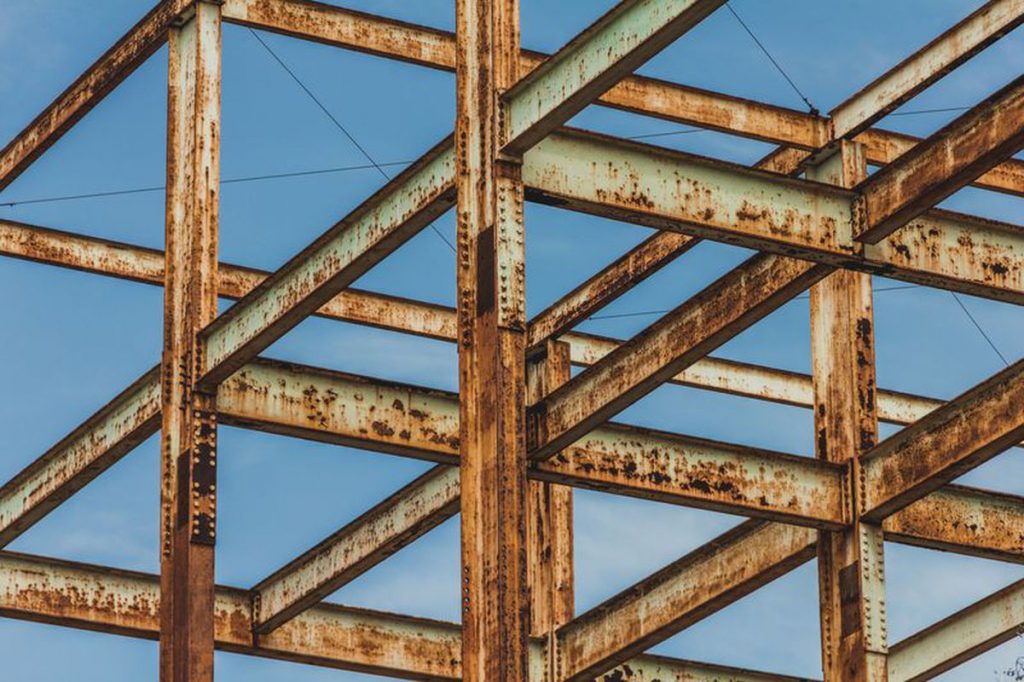
With a little creativity, negative space can form intriguing and relevant shapes within a frame, prompting the viewer to examine how the different aspects of a photo come together to form a whole shape. Playing with contrast and adding geometric patterns to the mix takes it to a whole new level.
Mike Chan/PIXERF
Combine these tips on geometric framing with tips from our colour psychology series, and you’ll be creating stunning stock photographs that are more likely to be picked up by designers and marketing professionals. Have fun experimenting!