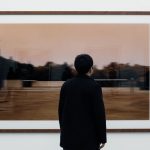
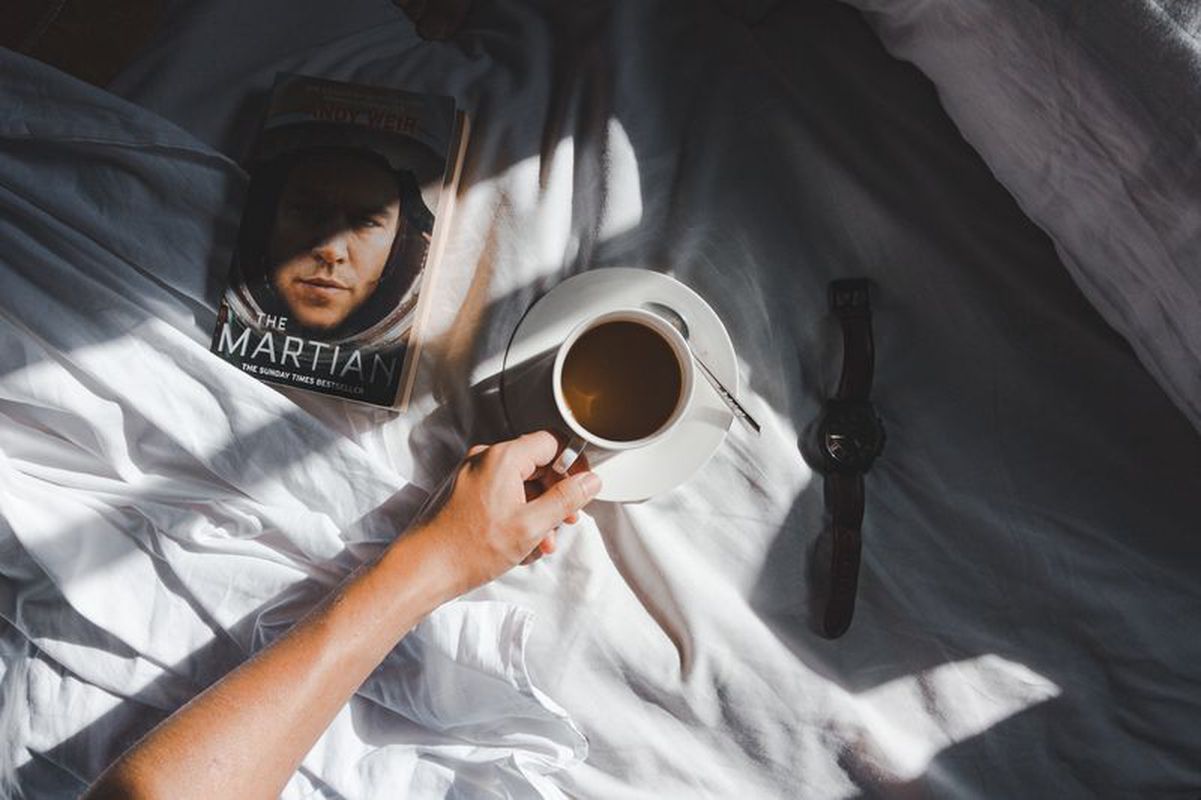
Hipster photography is characterised by the depiction of a carefree life, often mimicking analogue film. It gives viewers a peek into a too-cool-for-school lifestyle. Ironically, although hipsters project an image of being carefree and spontaneous, they tend to curate the type of things they want to be surrounded by. Immortalised and made commonplace on social media, hipster photography’s popularity has chipped away at its character, making hipsters common and non-exclusive.
We look at seven common hipster photography themes and break down how they work — and how to avoid overdoing it (we’re talking avocado-toast-levels of overdoing it).
7 Hipster Photography Trends and Their Effectiveness
Crushing blacks
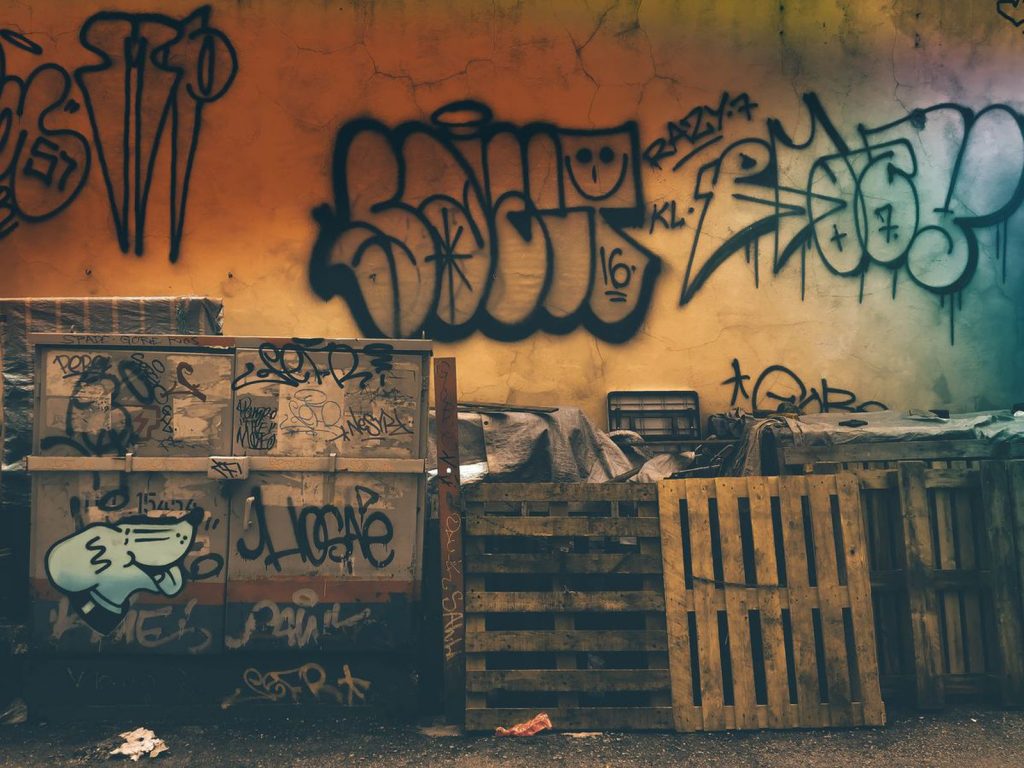
Kavena Sivapragasam/PIXERF
‘Crushing the blacks’ in an image refers to removing all light in the black parts of your photo. This helps to feature more detail in the highlights and mid-tones, with less detail in the black parts of the image (this gives it the appearance of a film photo). This is a great way to increase focus on the subject or its surroundings, but is mostly done to achieve a vintage look.
Vignettes
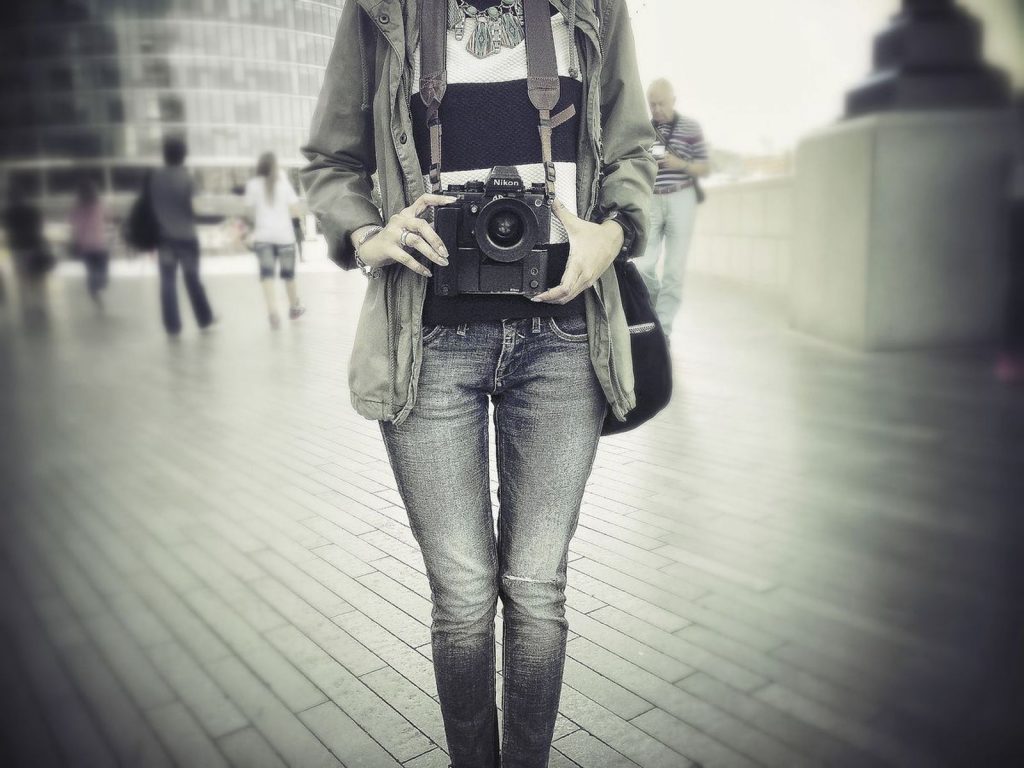
Turbofreek/PIXERF
Almost all hipster photos feature some form of vignetting. This can be achieved either in post-processing, or by framing your scene with darker elements around the sides. Vignetting is great for an old-film feel and to direct focus on the centre of the image, as the vignette acts like a frame. Don’t do this to all your photos, though – sometimes, less is more.
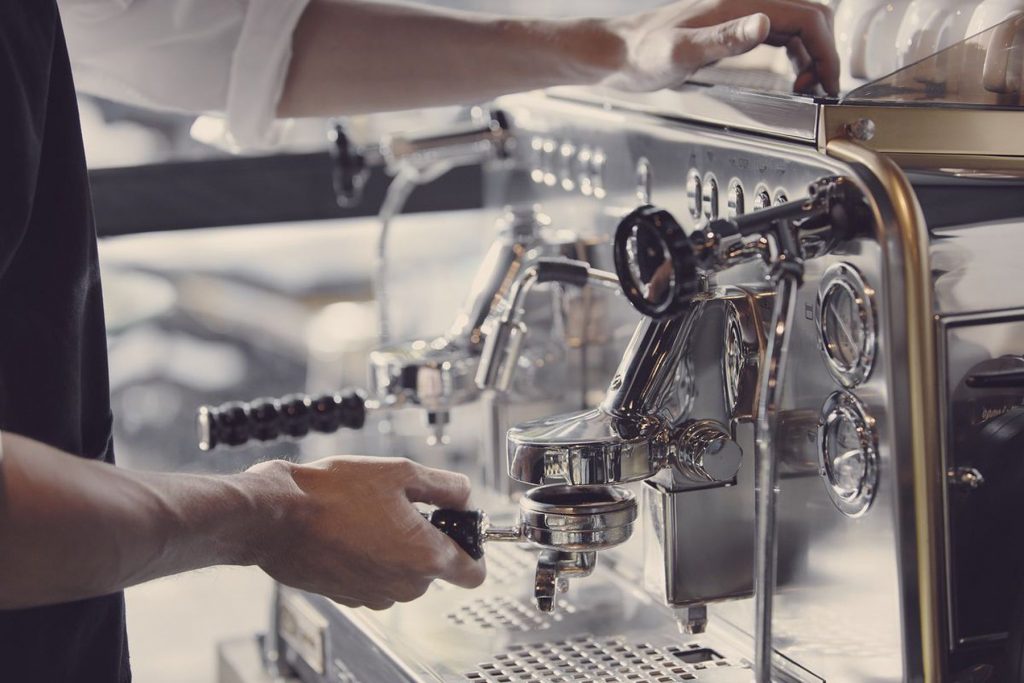
Dirty whites
Kenny P/PIXERF
In hipster photography, whites tend to be more grey or yellow. This gives the image an intentionally dated look, but it can make the image darker as a whole. Avoid this when there isn’t much natural light in your shot.
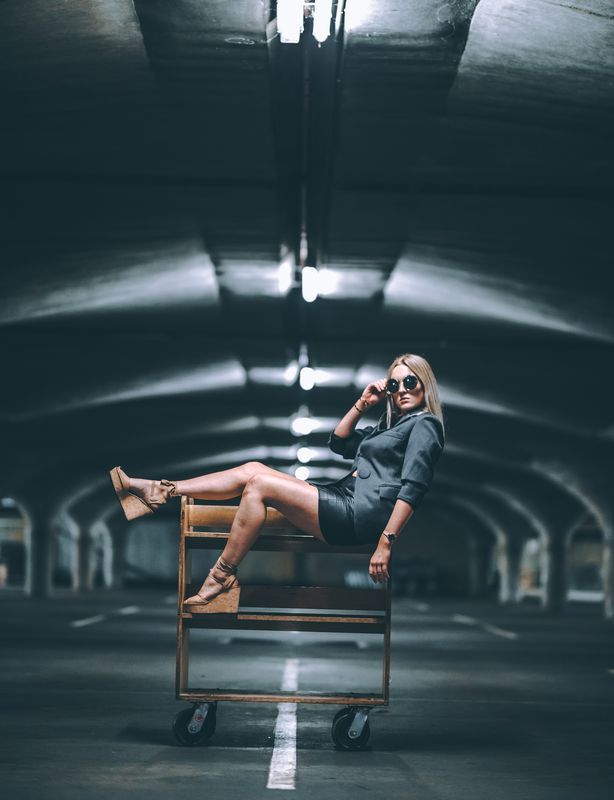
Shades of grey
Louis Amal/PIXERF
After crushing the blacks in a photo, lifting the blacks turns them dark grey. This is effective if you want to give the image a milky tint, creating a faded-with-time vibe.
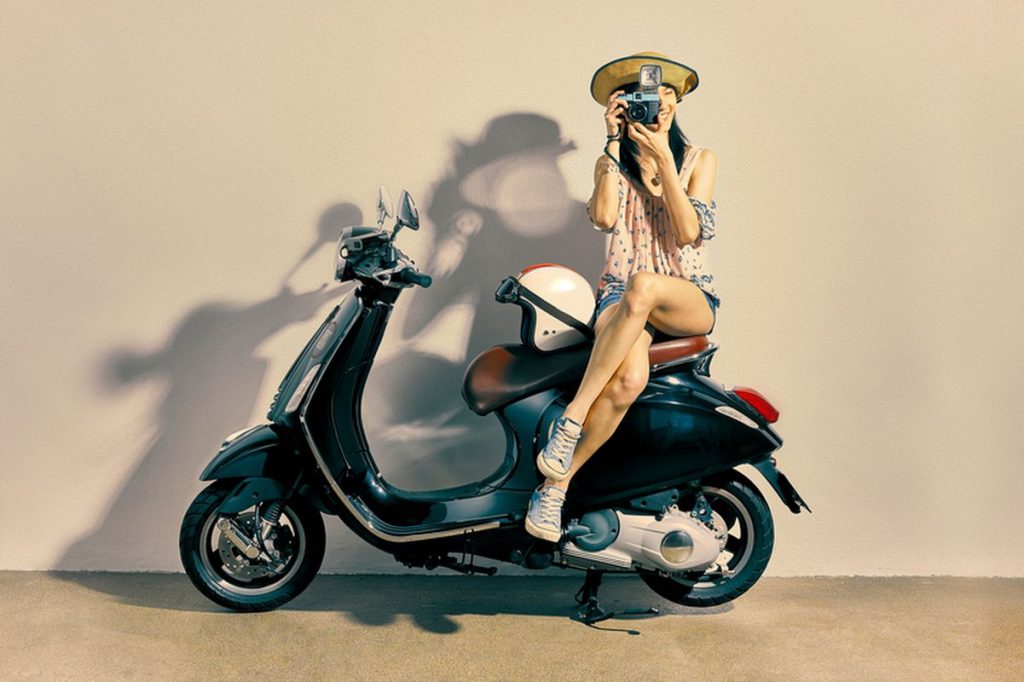
Blue-blacks and yellow light
Kenny P/PIXERF
You can add subtle tweaks to your hipster-style photos by featuring more blues in the dark areas and more yellows in the areas with light, much like how aged photos on film turn out. Of course, this should complement the photo without taking details away from it.
Desaturating

Chayanin Wongpracha/PIXERF
When you’re trying to achieve a film effect, cool colours shouldn’t be vibrant. Desaturating creates the effect of decomposed film; only yellows and magentas should be vibrant in your photo.
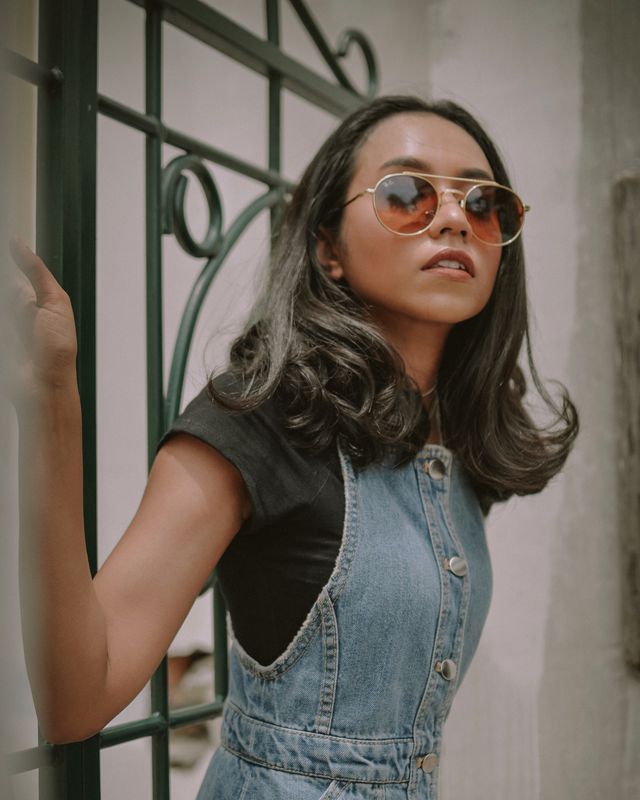
Softness
muhammad ridhwan mansor/PIXERF
Because digital images tend to be sharper, you’ll want to create the opposite effect for your hipster photo. Adding noise and small blurs to the image are great ways to soften it.