Classic and elegant, blue is a popular colour despite having a contradictory effect on the viewer’s psychology: it’s calming, but can also make you feel… blue. Here are some ways you can use the colour blue to invoke or convey certain feelings and ideas.
Sorrow and Loneliness
CK NG/PIXERF
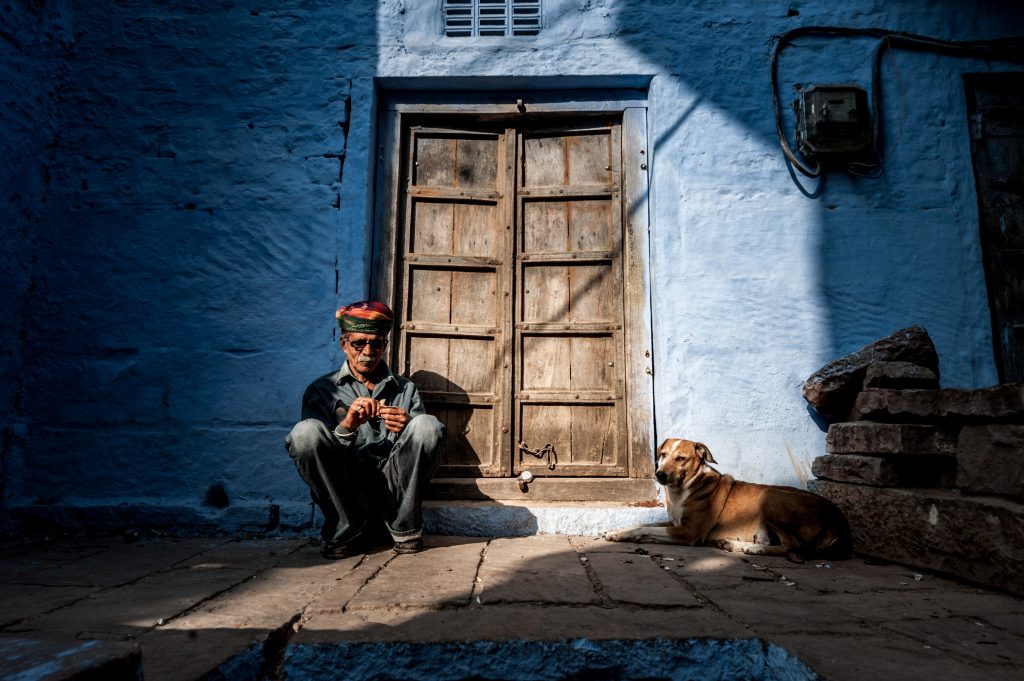
Ask any artist, and they’ll tell you that blue is melancholic. Blue is so often associated with sorrow that it’s become synonymous with feeling sad. Blue can create a lonely atmosphere, emphasising remoteness, and capturing this feeling on camera is easy if you downplay any red, pink, or yellow hues.
Calm and Serenity
Dite Wiyasa/PIXERF
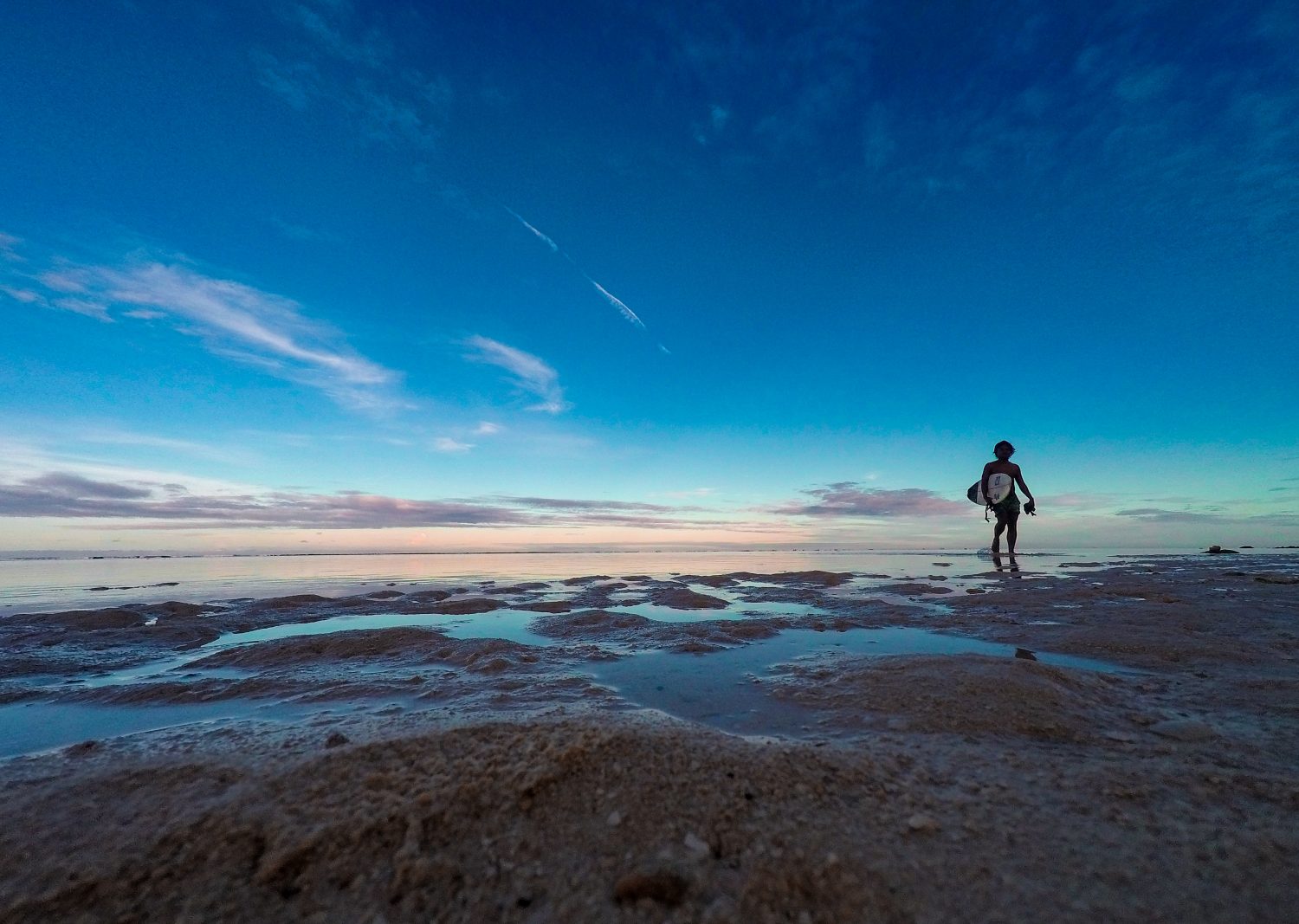
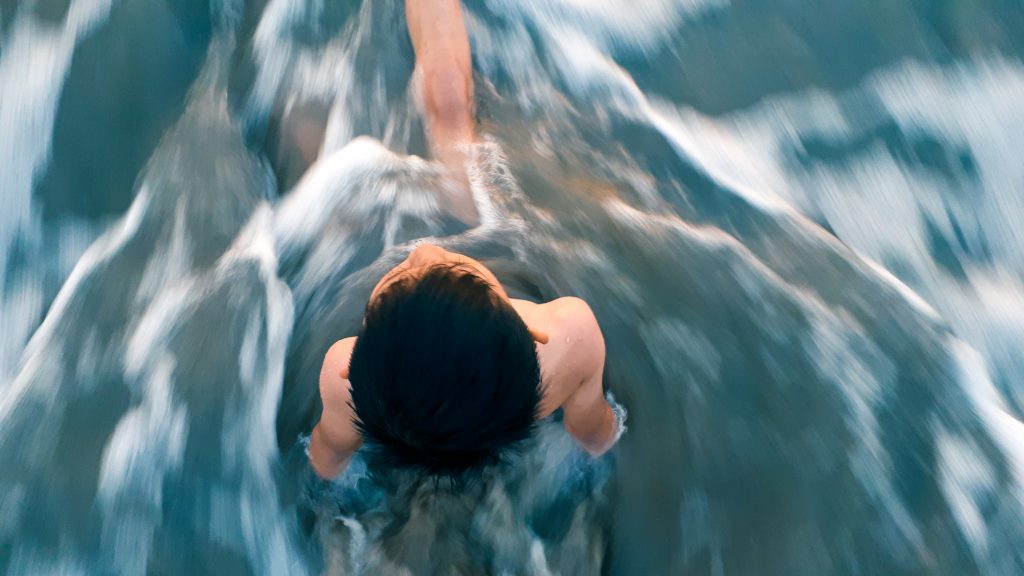
Here’s how blue is strange: apart from invoking sadness, it can also give you a sense of calm and serenity. Thanks to the colour’s association with large bodies of water, blue plays well with hues of green and teal to create a relaxing, nostalgic atmosphere in a single shot.
Coolness and Coldness
How Chung/PIXERF
CK NG/PIXERF
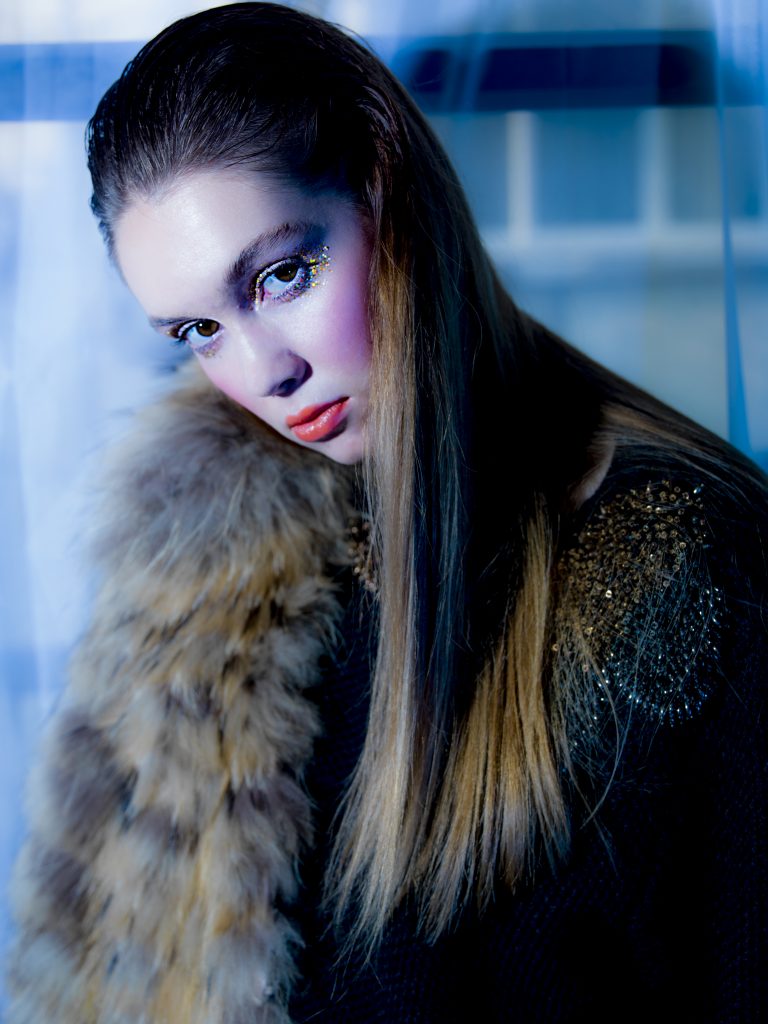
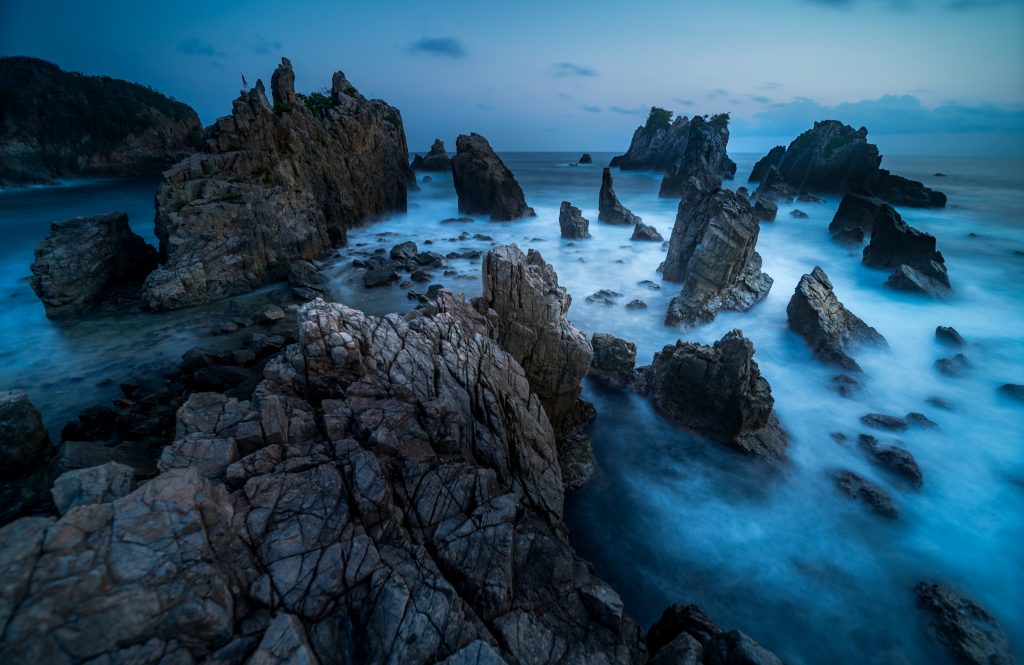
Emphasis on temperature is another way to use blue in your photos. When the frame is void of other bright colours, blue hues can create a sense of poetic detachment that makes a subject look cold yet intriguing at the same time. It’s also a good hack for evoking a sense of coldness in landscapes when you’re shooting in the tropics.
Suppressing Appetite
Bryan Foong/PIXERF
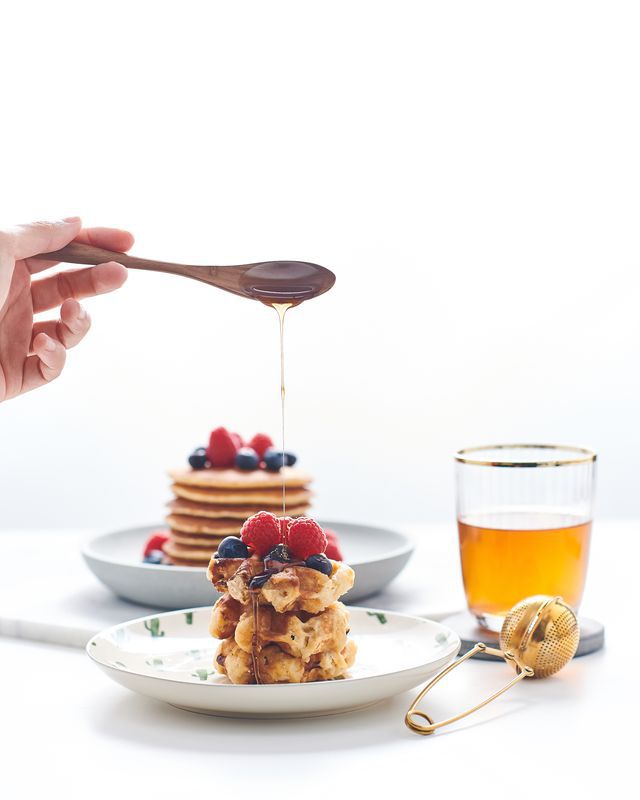
Because there are very few natural plants, foods, or animals that are blue, the human brain does not find blue appetising. In fact, the reptilian part of your brain reads blue as poison. (Even blueberries aren’t really blue — they’re purple.) When styling food, refrain from using blue cookware or props in the frame, and downplay blue tones to create contrast.
Royalty and Intelligence
richu joseph/PIXERF
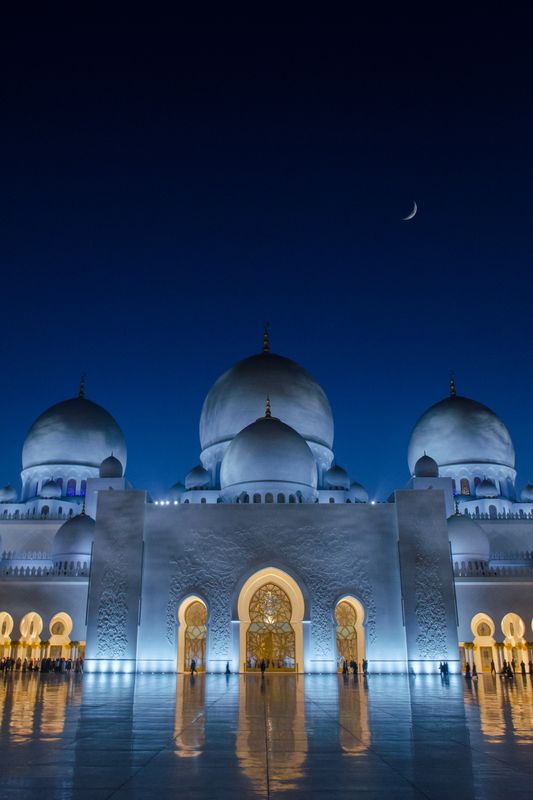
The colour blue only started appearing in art and architecture thanks to ancient Egyptian bling. Yup, that’s right. Before ancient Egyptians began mining semi-precious lapis lazuli stones, the colour blue was not used in art, clothing — or anything else. As the blue lapis lazuli stones were scarce and expensive, blue became synonymous with royalty and reverence. This association has trickled down into modern society, with blue being used to signify power, intelligence, trust, and loyalty.
In Asian Culture
Nazir Azhari/PIXERF
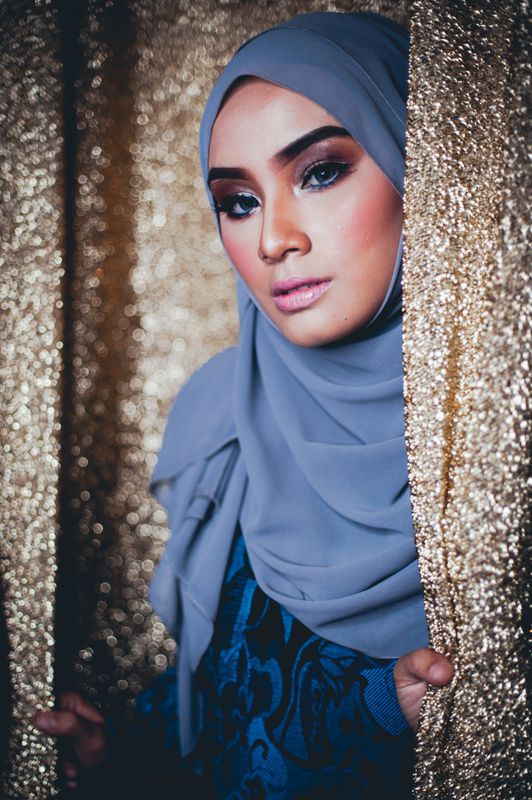
Chinese and Indian cultures associate blue with sadness and despair. This is why blue is always muted, if not absent in celebratory decor. However, in Malay and Javanese culture, blue represents beauty and freedom.
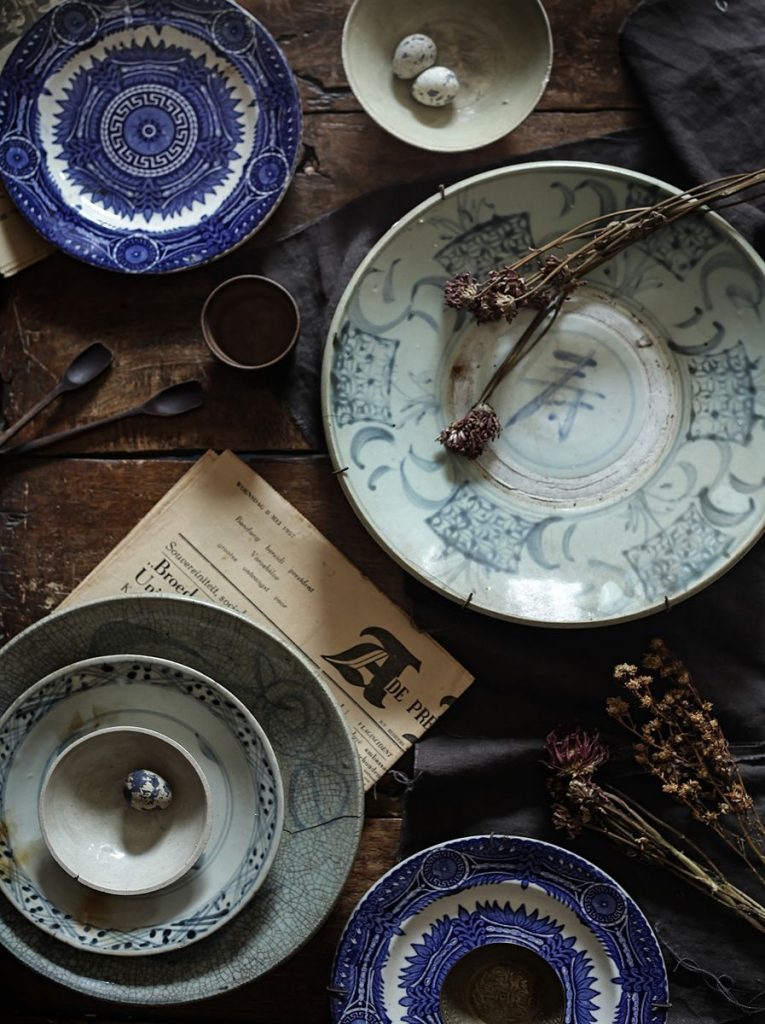
One of the most iconic uses of blue in Asian culture is in ceramics and pottery, an aesthetic that is often replicated even in contemporary tableware.
Silva Sandiarini/PIXERF
In a Photograph
Yik Keat Lee/PIXERF
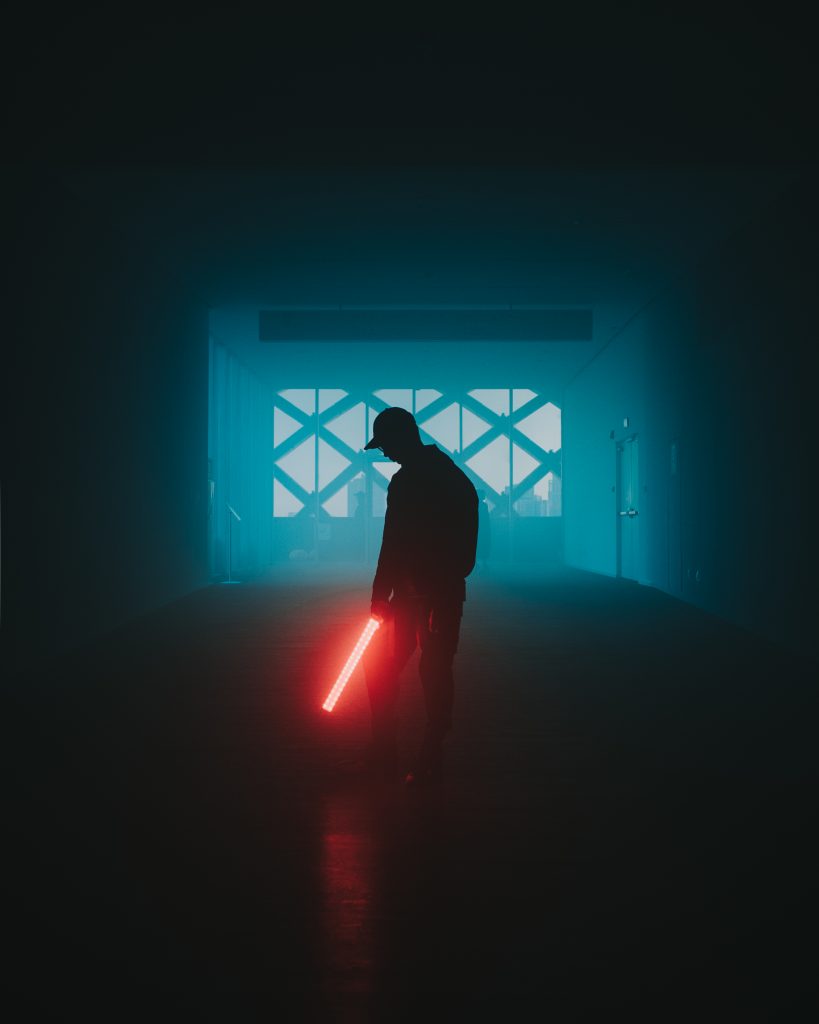
When framing blue in a photo, break its monotony with hints of red, pink or white, or increase exposure to minimise hints of melancholy. When going monochrome, play with light and shadow to inject some dynamism and contrast to the shot.
Do you use blue in your photography to convey any of these emotions? What other ways do you use blue as an aesthetic and psychological tool in your photography? Leave us a comment below to share!