
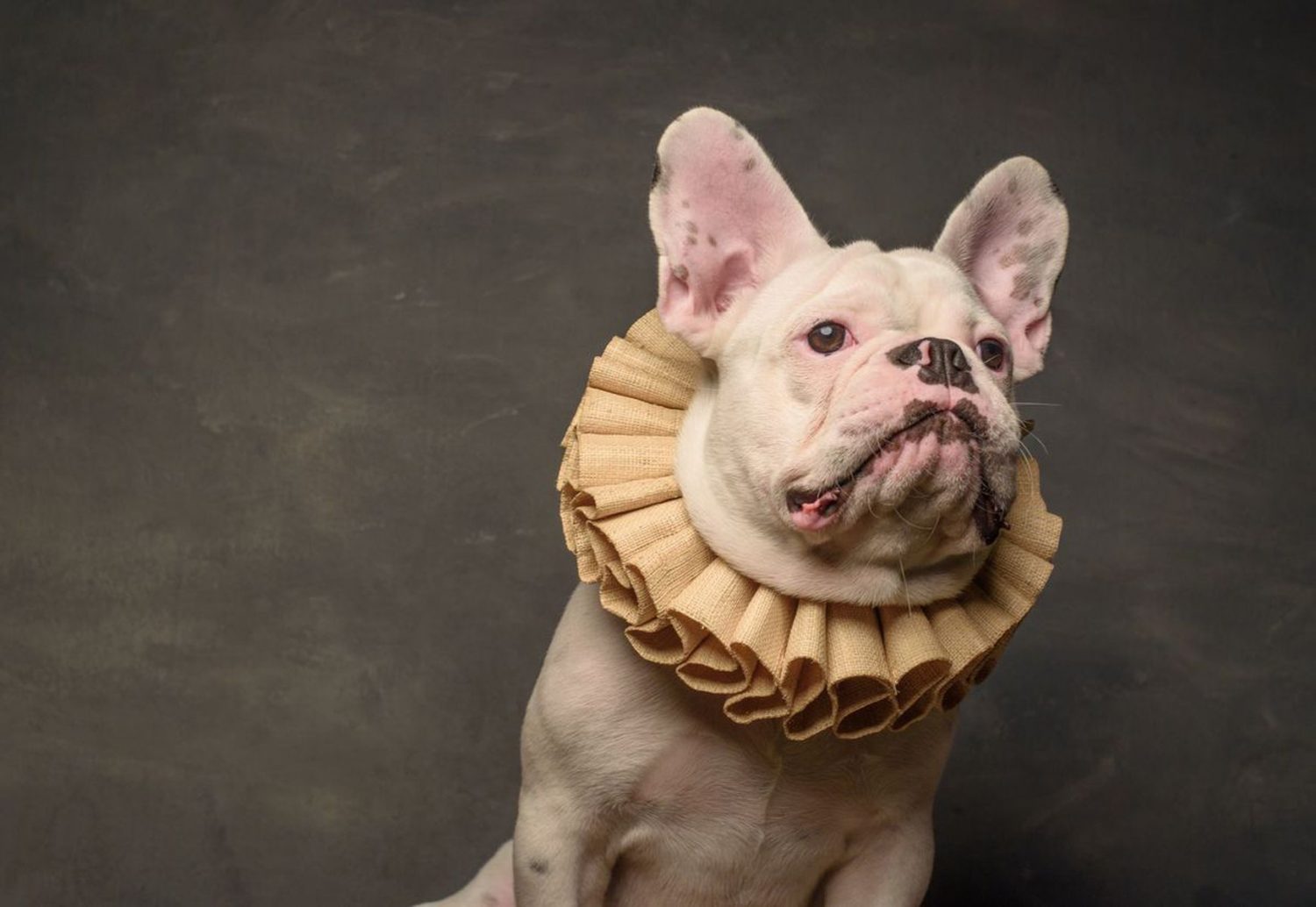
Working with animals and children is challenging (to put it mildly). It’s not easy to get a child or animal to hold a pose — let alone sit still — for more than three seconds. Because things happen so fast with fidgety, furry subjects, it can be hard to capture a frame without any blurry distortions.

Midge Li/PIXERF
The biggest hurdle is getting the subject to understand what you want them to do — because you can be sure that they will do the exact opposite. These tips will help you take control of the situation and make it fun, so you don’t have to regret any of your life choices after a photoshoot involving animals or children.
#1 Plan ahead
Shaahid Hisam/PIXERF
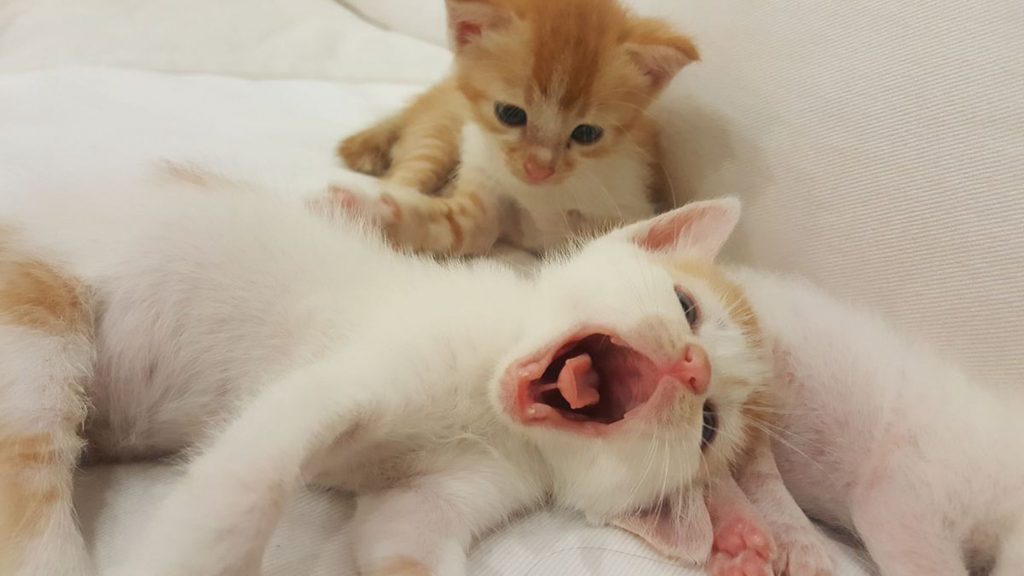
Get your process right and speak to the child’s parents or the animal’s owners well ahead of the shoot. Be as flexible as you can to leave room for improvisation, and schedule the shoot as early in the day as possible. Formal portraits work best when the child or pet has just woken up or is sleepy, and is more likely to sit still. For more dynamic shots, the subject should be wide awake (and preferably well-fed). If any of your subjects are unwell, you should postpone the shoot, so check in with their parents or owners early in the morning.
Santosa Suryadi/PIXERF
#2 Make a connection

Basil Ng/PIXERF
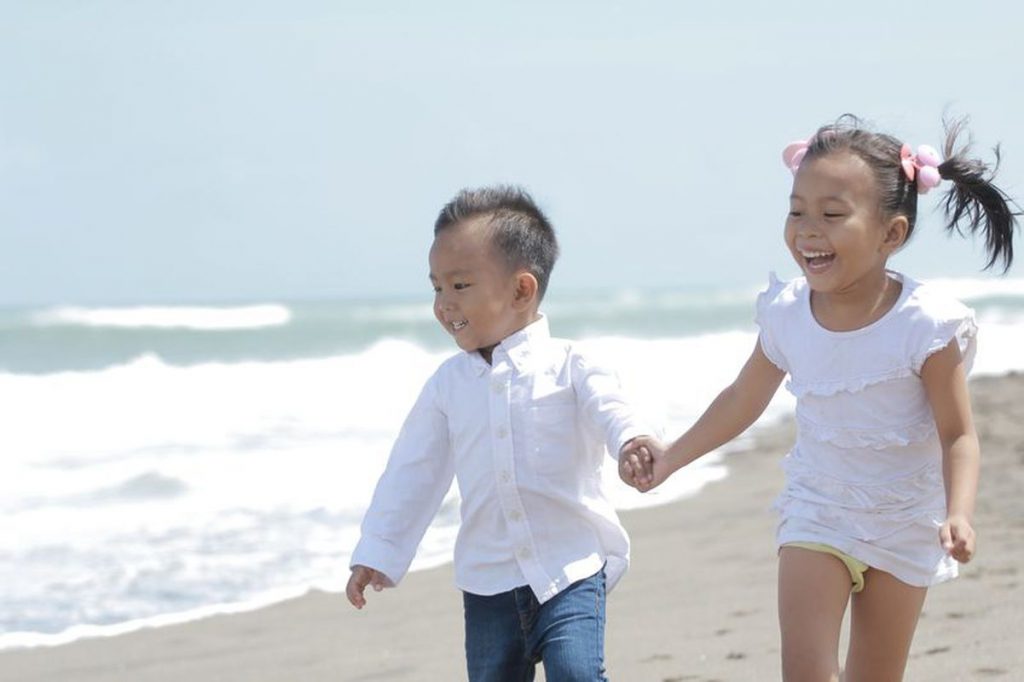
Get to know the child or animal before you start. Find out what they like and establish rapport before the shoot. For children, try making them laugh. For animals, try feeding them a snack and petting them. Repeat this while shooting, and let the animal’s or child’s guardians know what you have planned. Rope in the parents to make the animal do a trick, or get the child to giggle.
Josel James Fetalino/PIXERF
#3 Use natural light and familiar environments
WONG WAI SUN/PIXERF
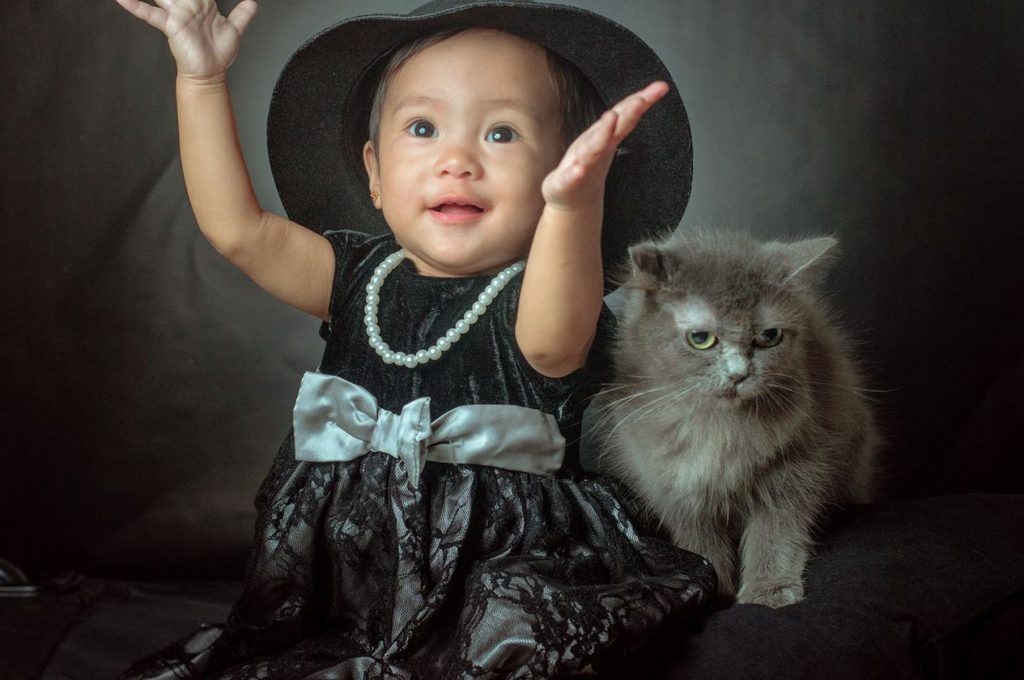
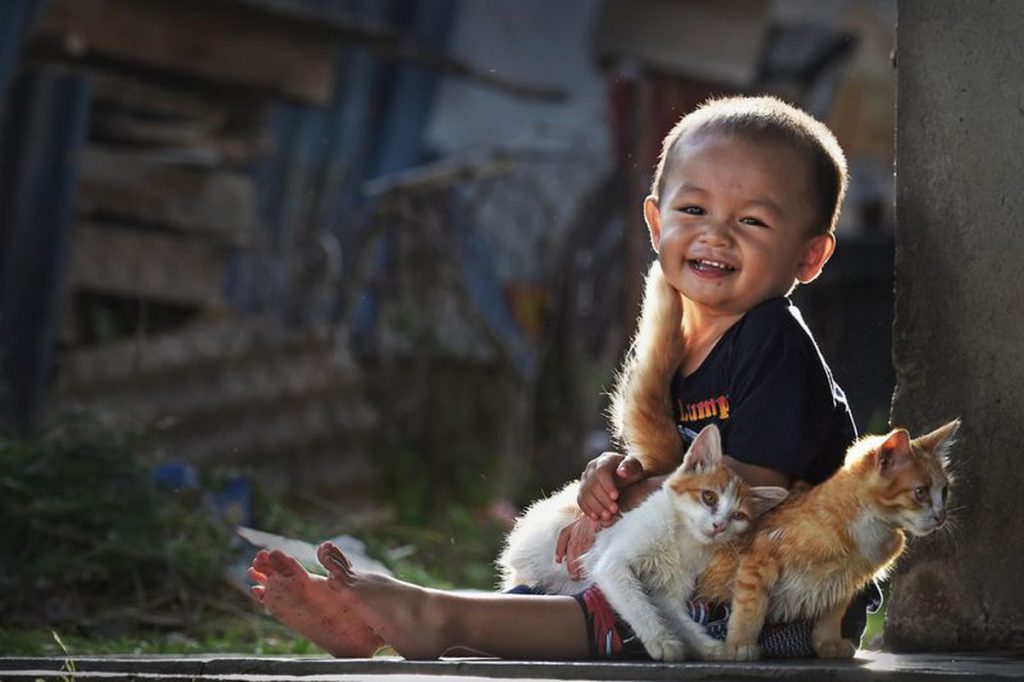
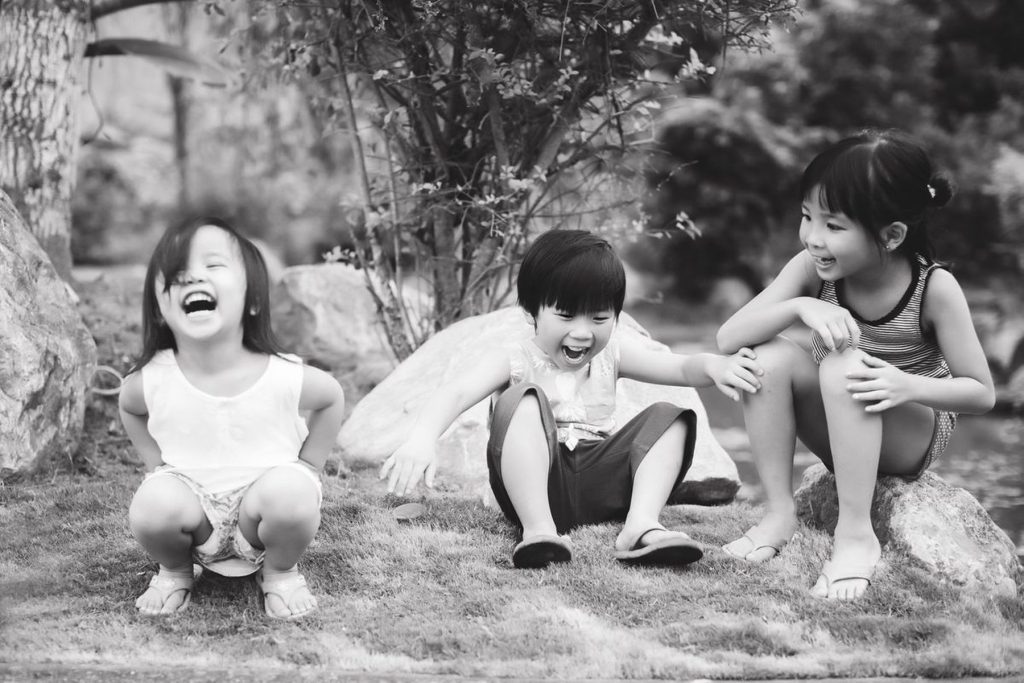
As far as possible, use natural light when taking photos. Avoid using flash, as it can frighten or startle an animal or child. Shooting in a familiar environment, such as their home or garden, is the best way to keep them comfortable and capture them in their element.
Kymberley Teo/PIXERF
#4 Use props to set the tone and keep them entertained
Charlie Lim/PIXERF
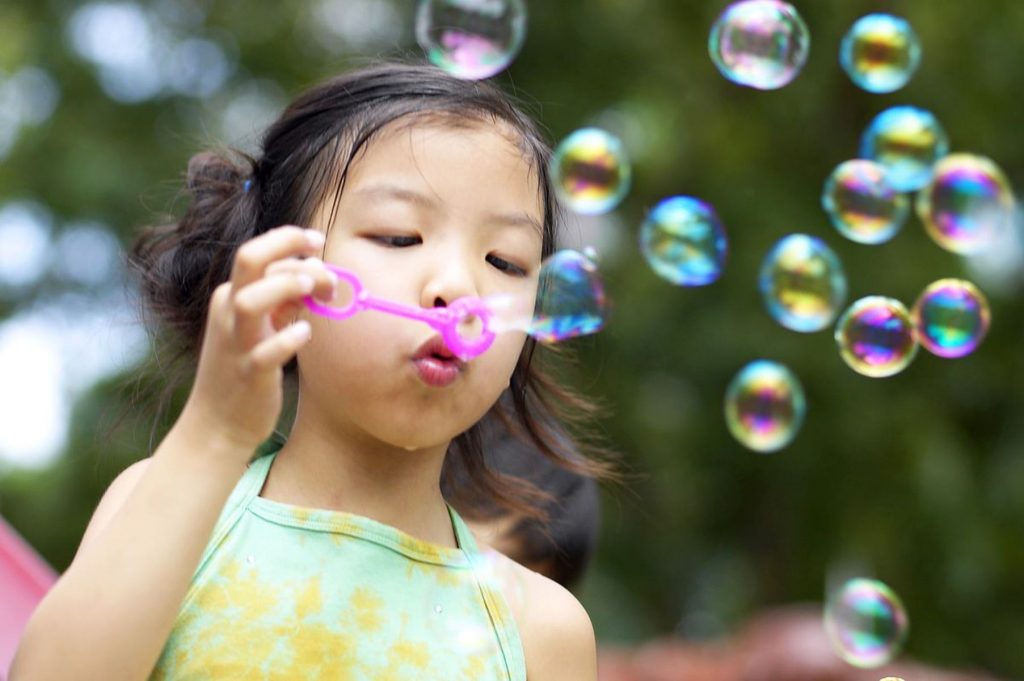
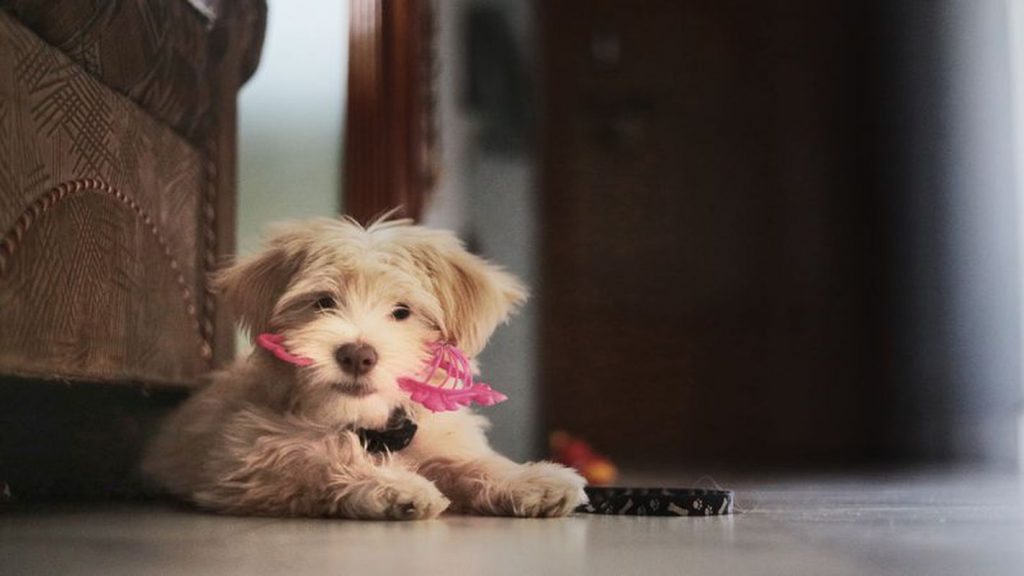
Using props when working with animals or children isn’t a luxury: it’s a necessity. Pick colourful, non-toxic toys and props with no sharp edges. Books or flash cards work well for children, too. Never, for any reason, pry a toy away from a child.
Mann Meghpara/PIXERF
#5 Go to their level
Alayna Rani/PIXERF
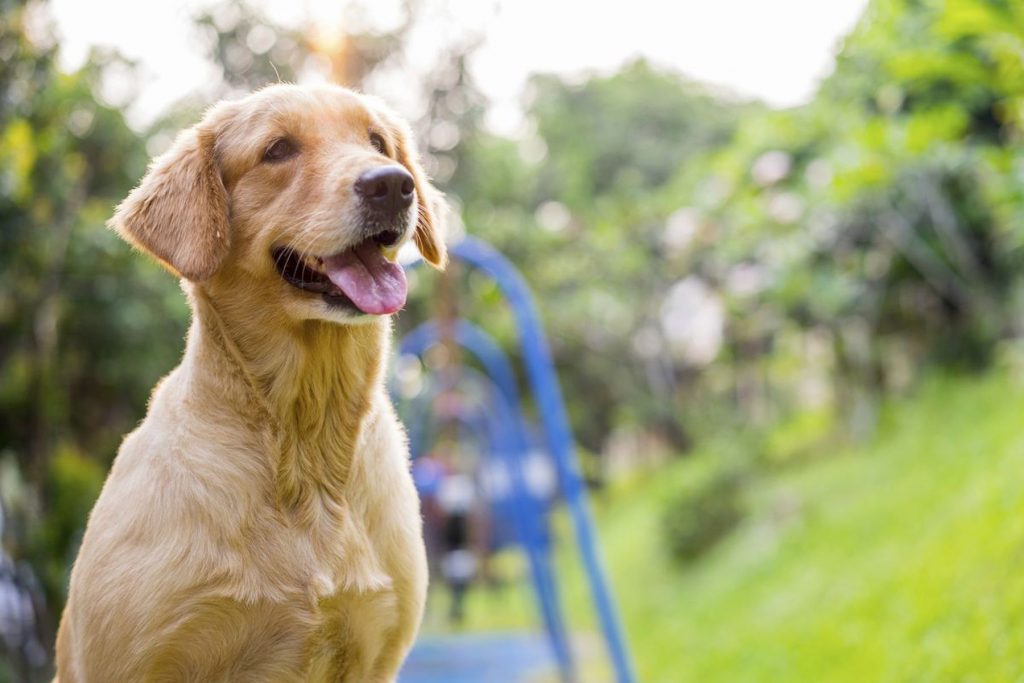
A common rule for animals and children is to get down to their level so that they feel at ease. They’re more likely to think that you want to play with them, and you’ll be able to capture a more candid glimpse of their world. Experiment with different angles, and allow them to interact with you and your camera.

Sophie Rosinger/PIXERF
#6 Be patient and sensitive
Asep Bowie/PIXERF
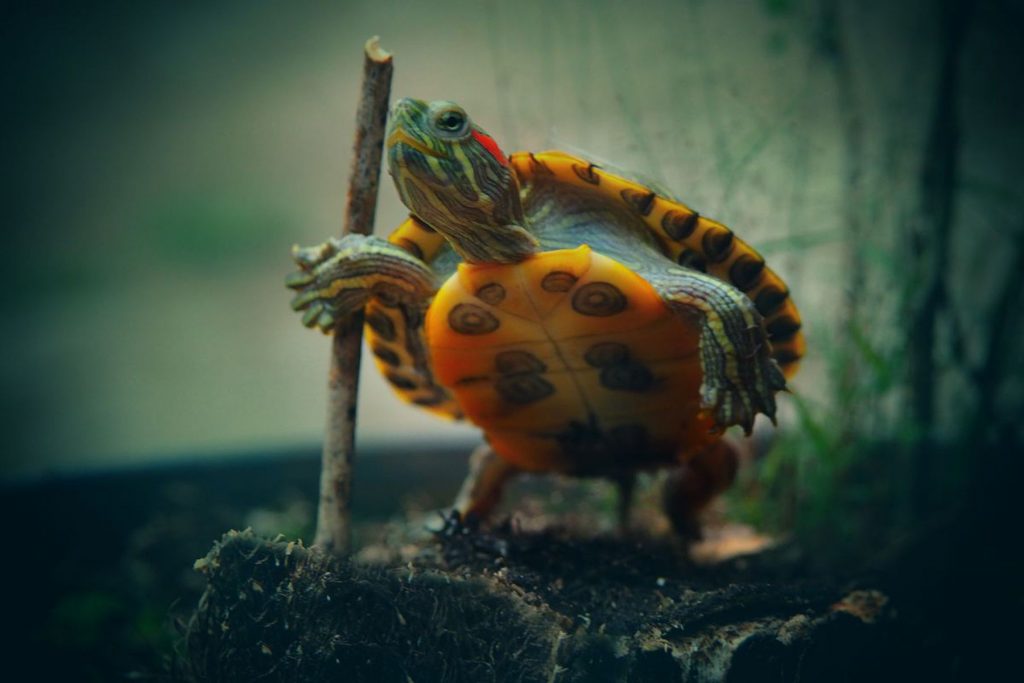
Be prepared for tantrums and potty breaks, and keep your cool if the subject’s being uncooperative. Shooting animals and children can take a hefty chunk of time and energy, so try not to schedule back-to-back shoots — and give yourself time to decompress and recharge after the shoot.
Mel Cedi Cavada/PIXERF
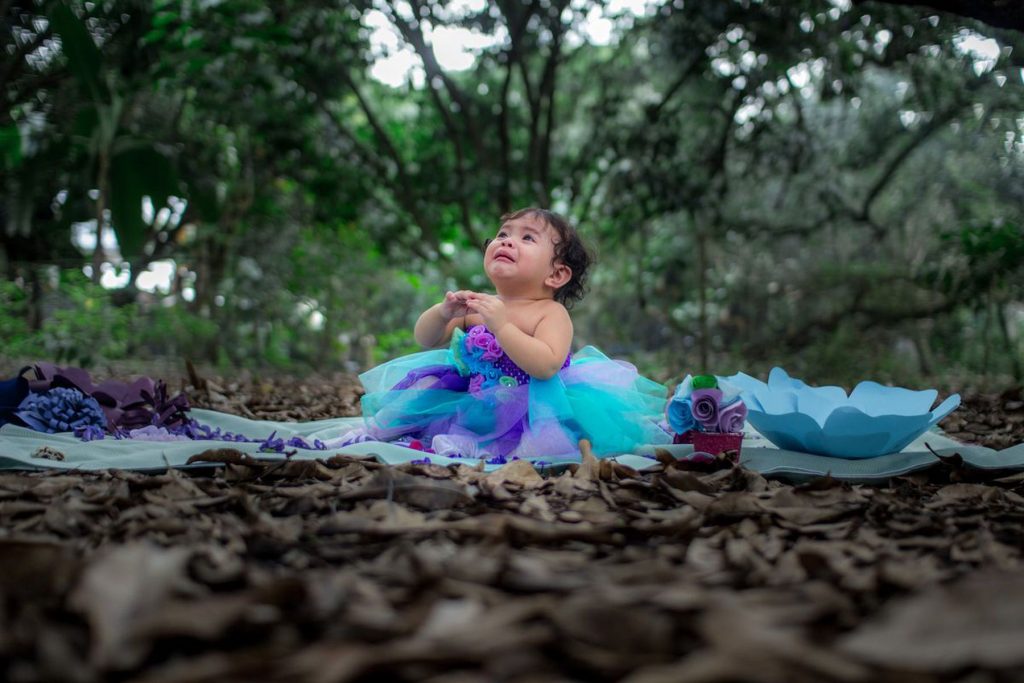
Do you work regularly with children and animals? How do you normally handle sticky situations (no pun intended) and prepare your subjects for their best shot? Leave us a comment below to share!